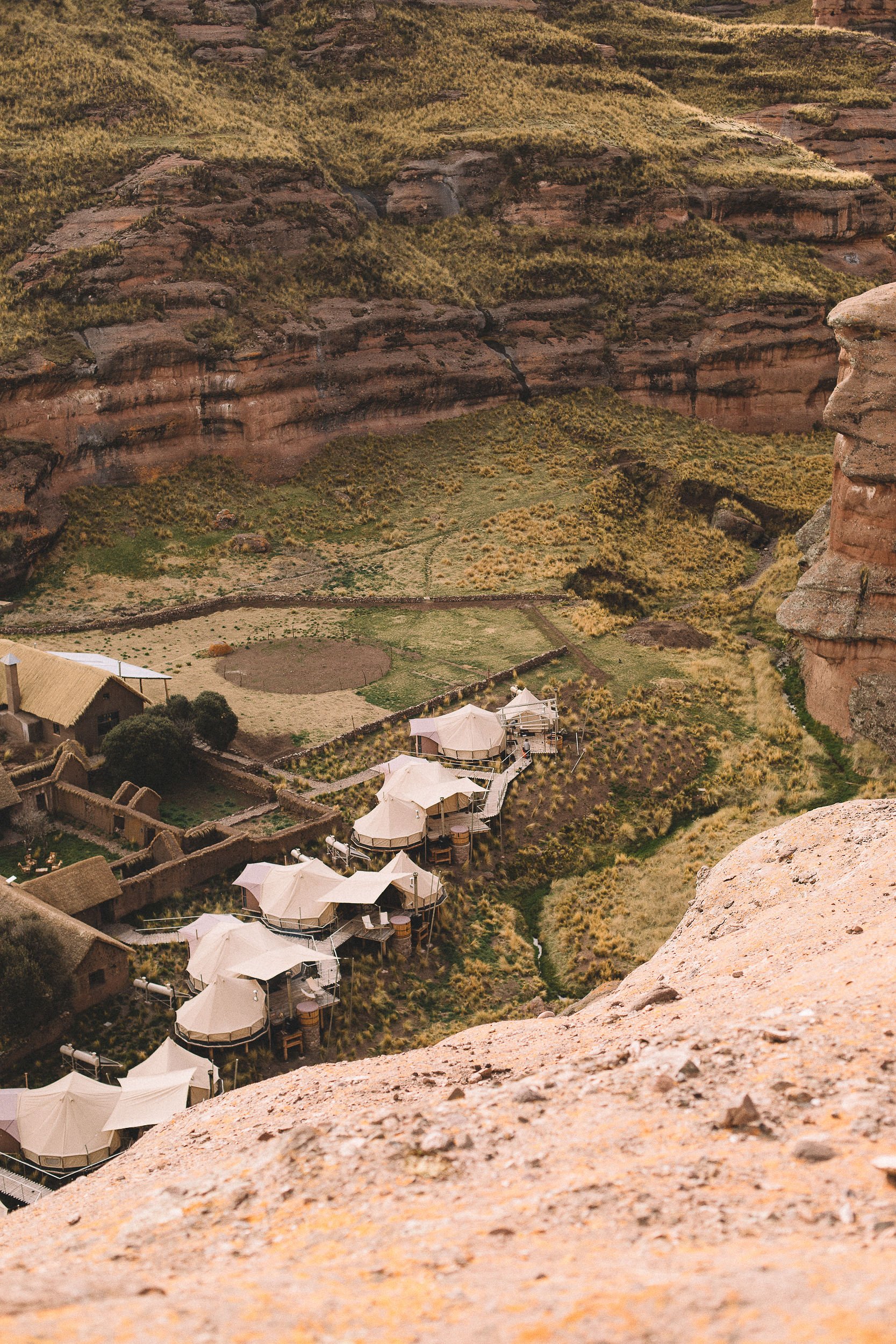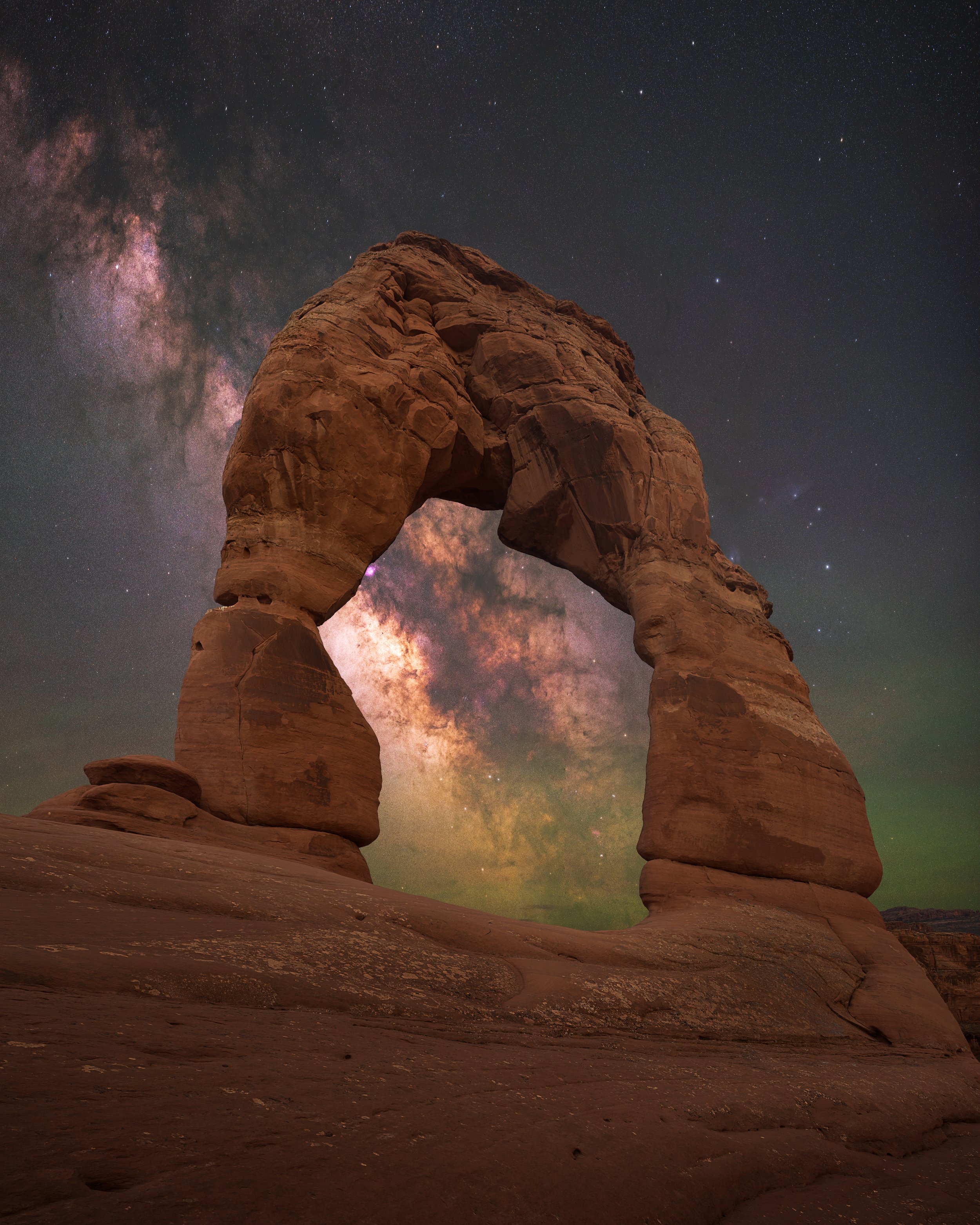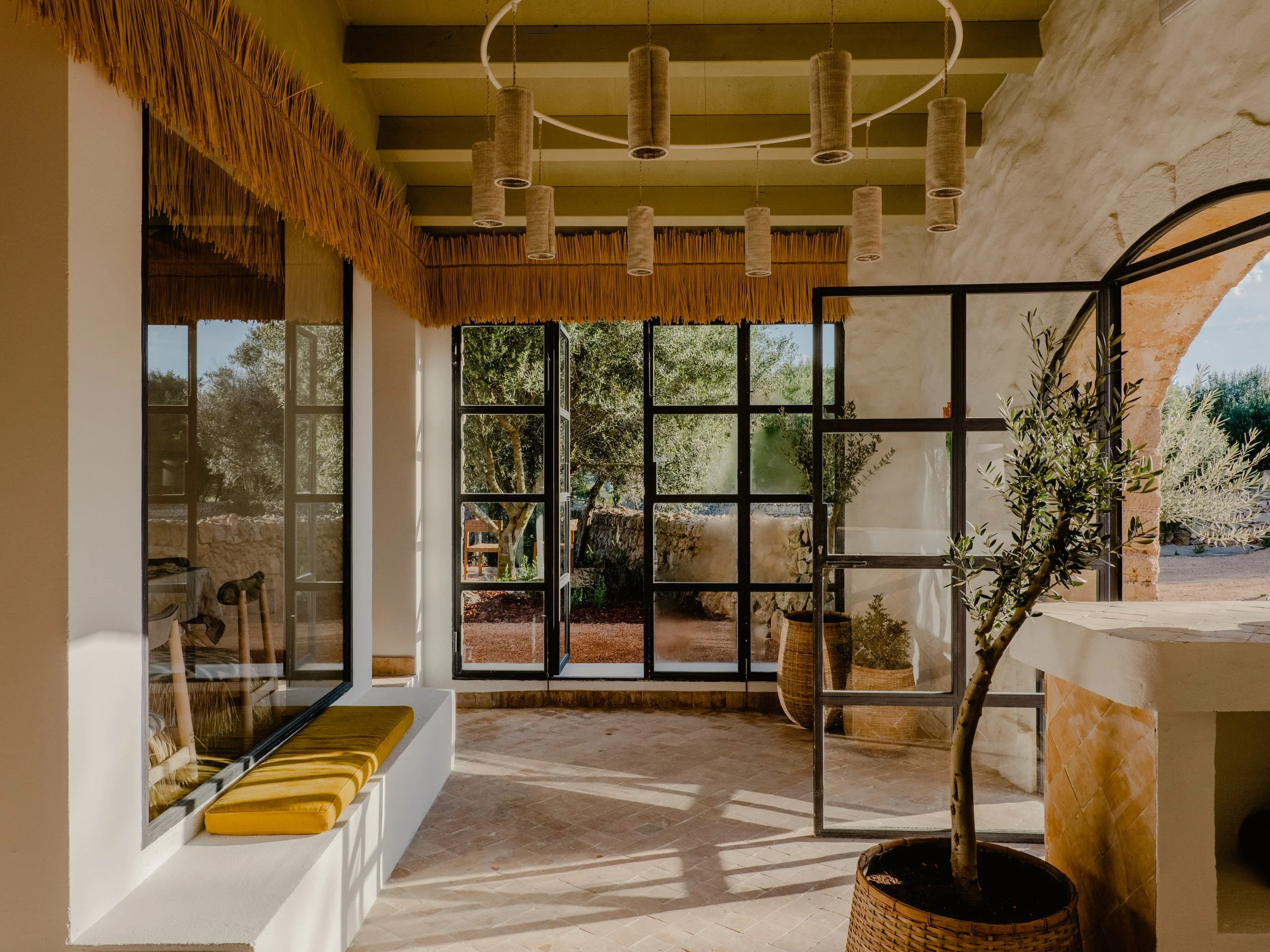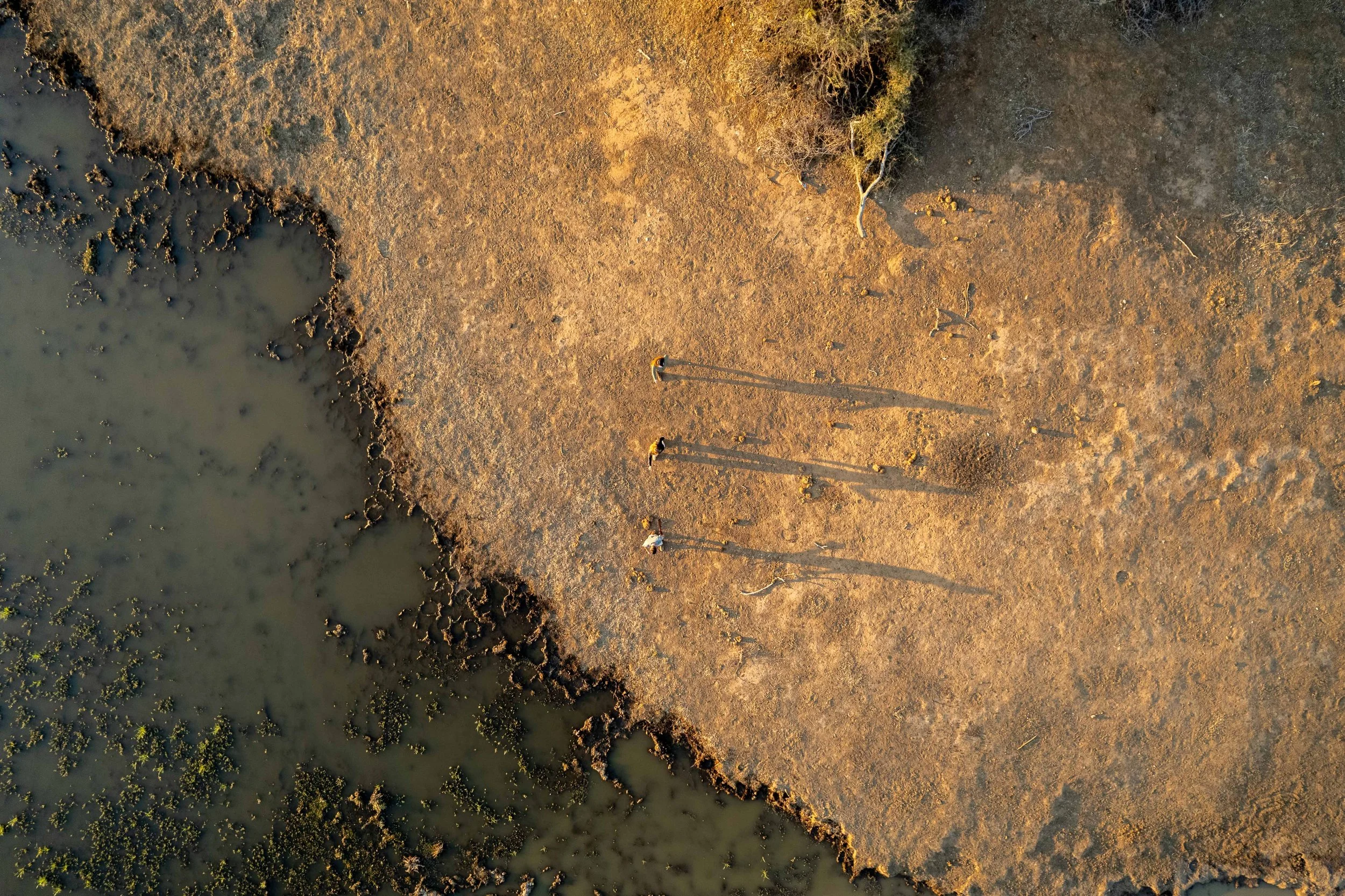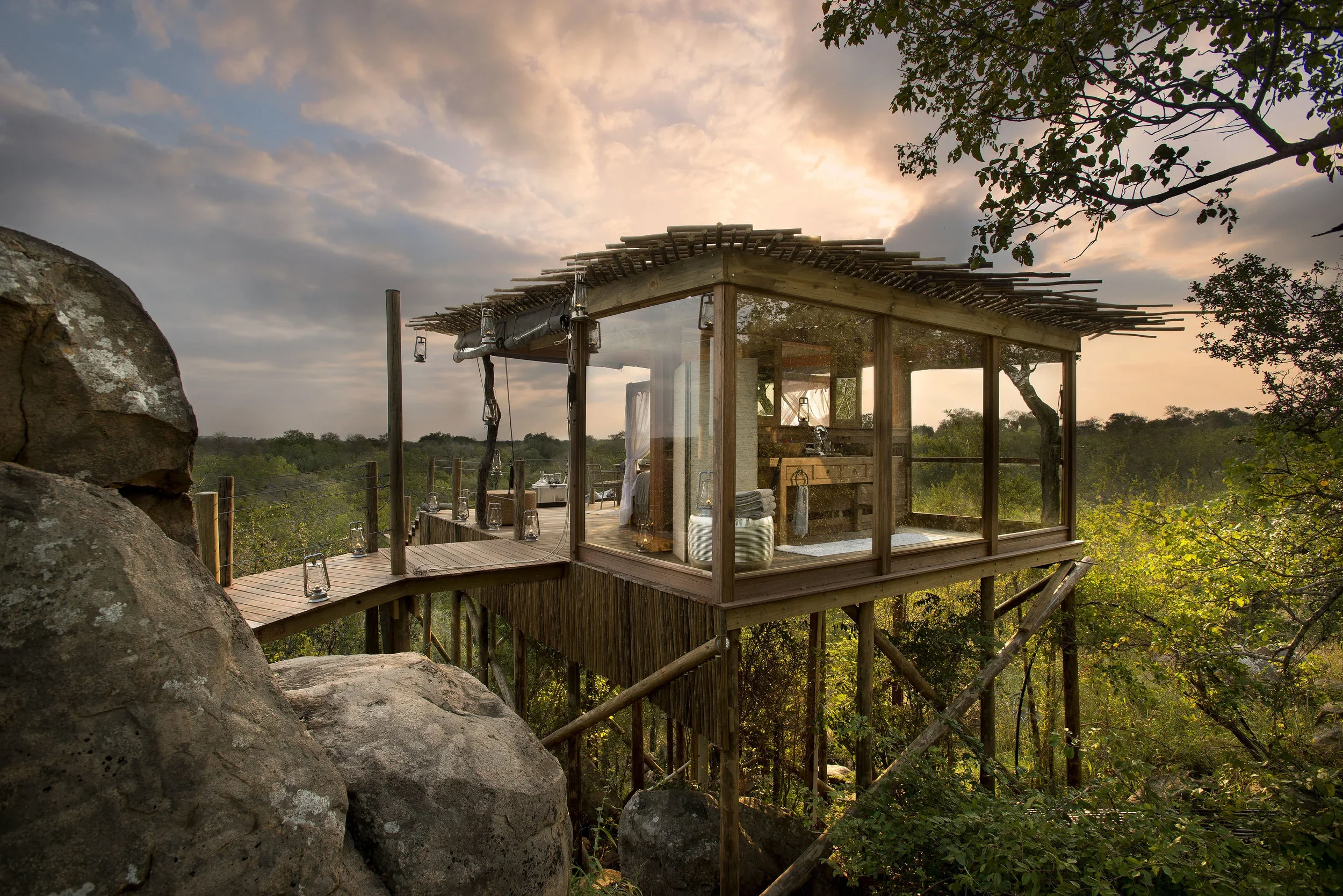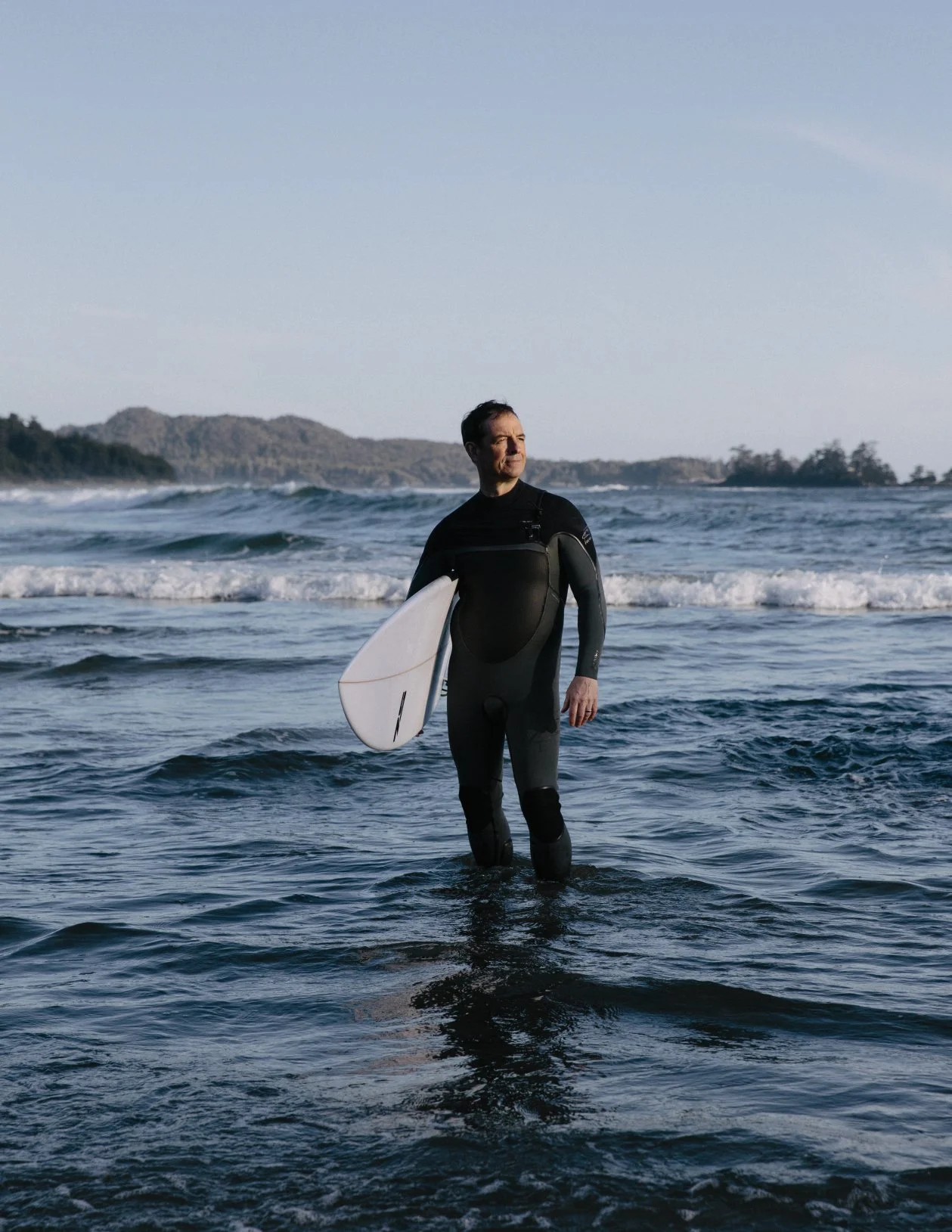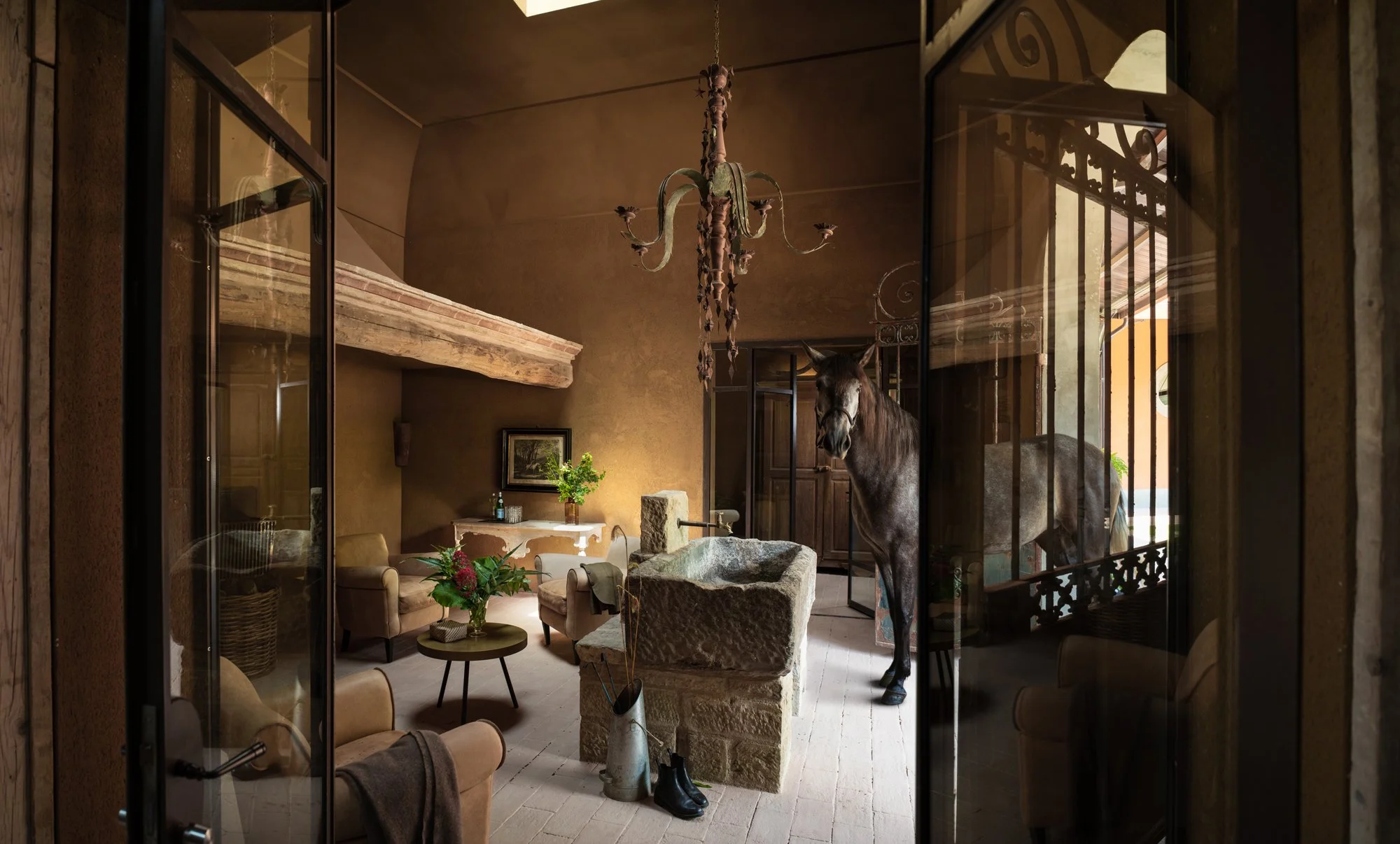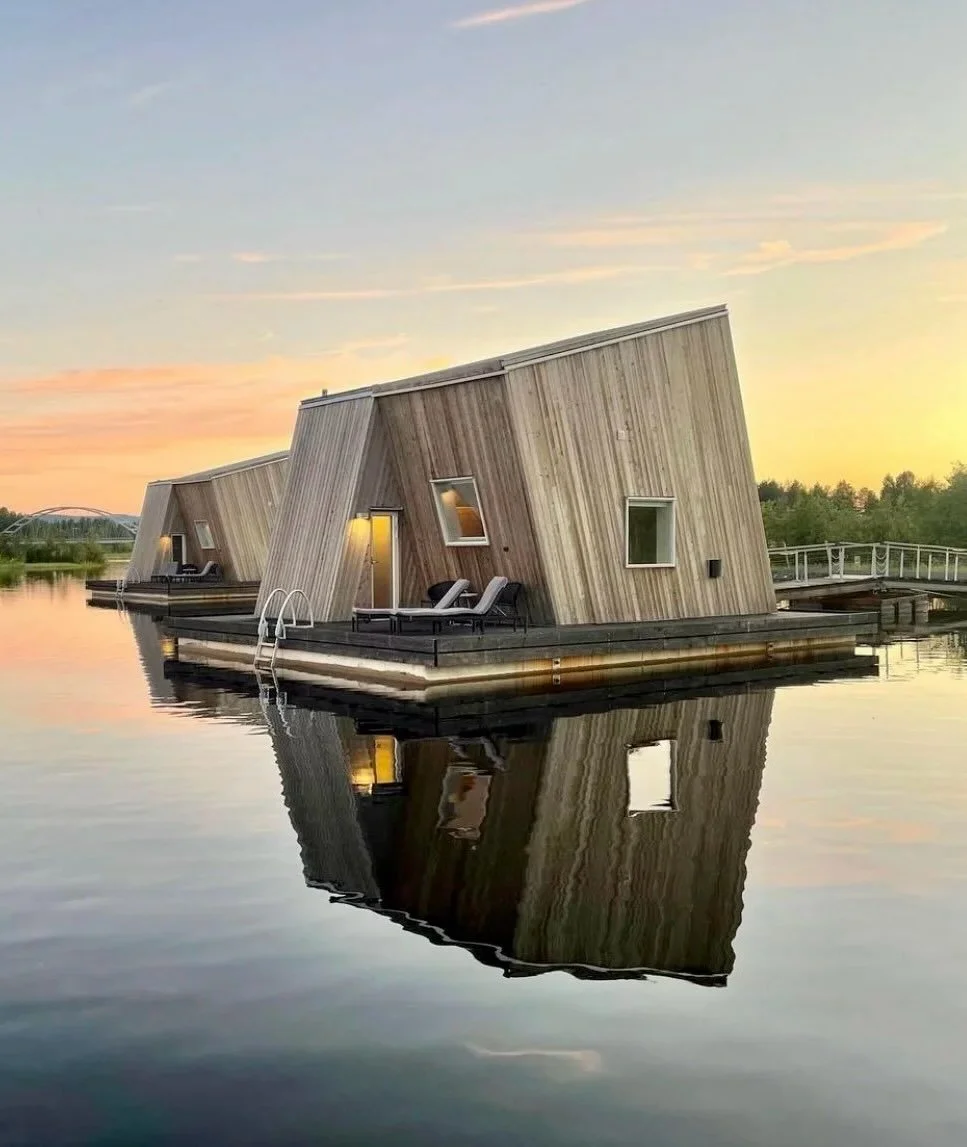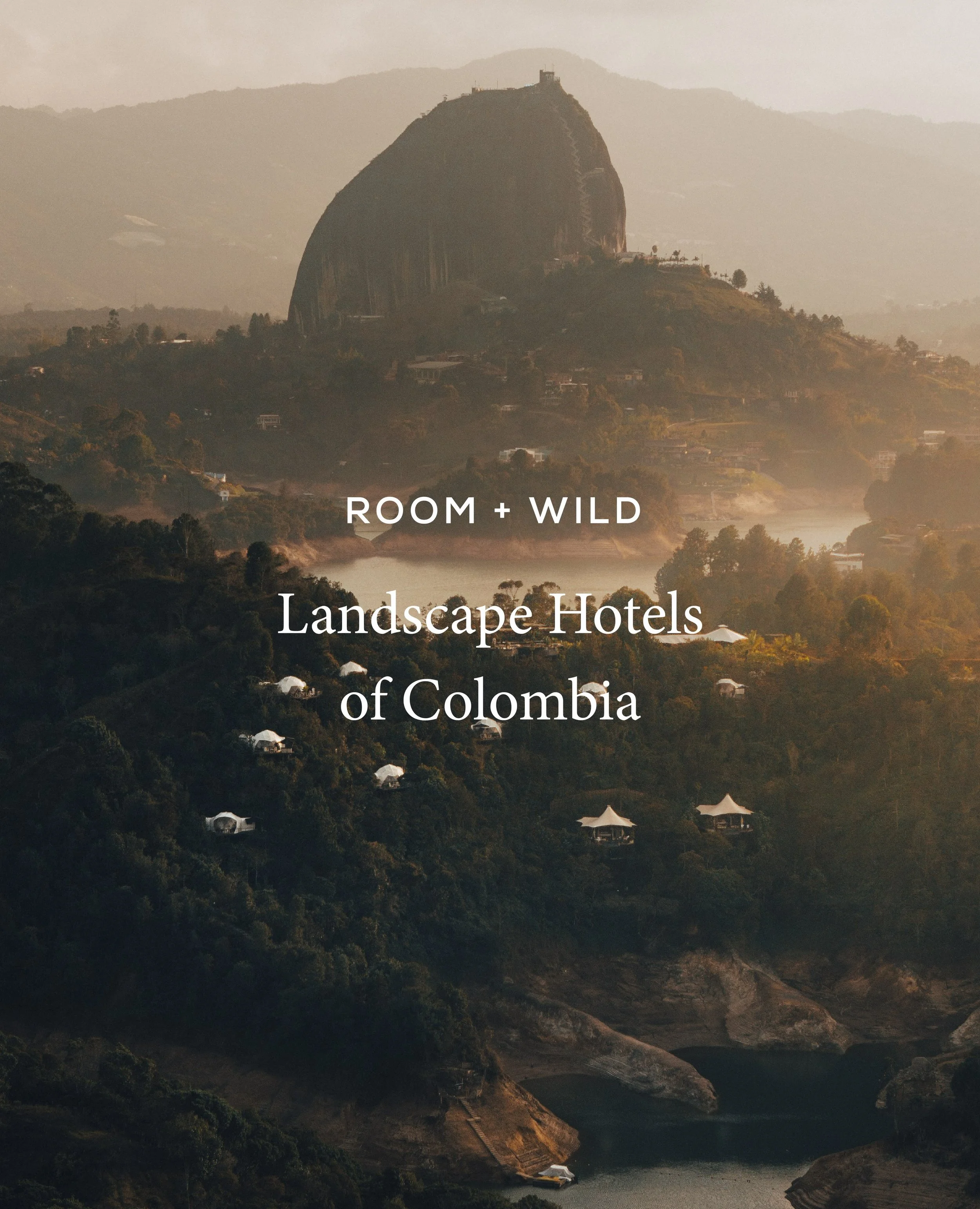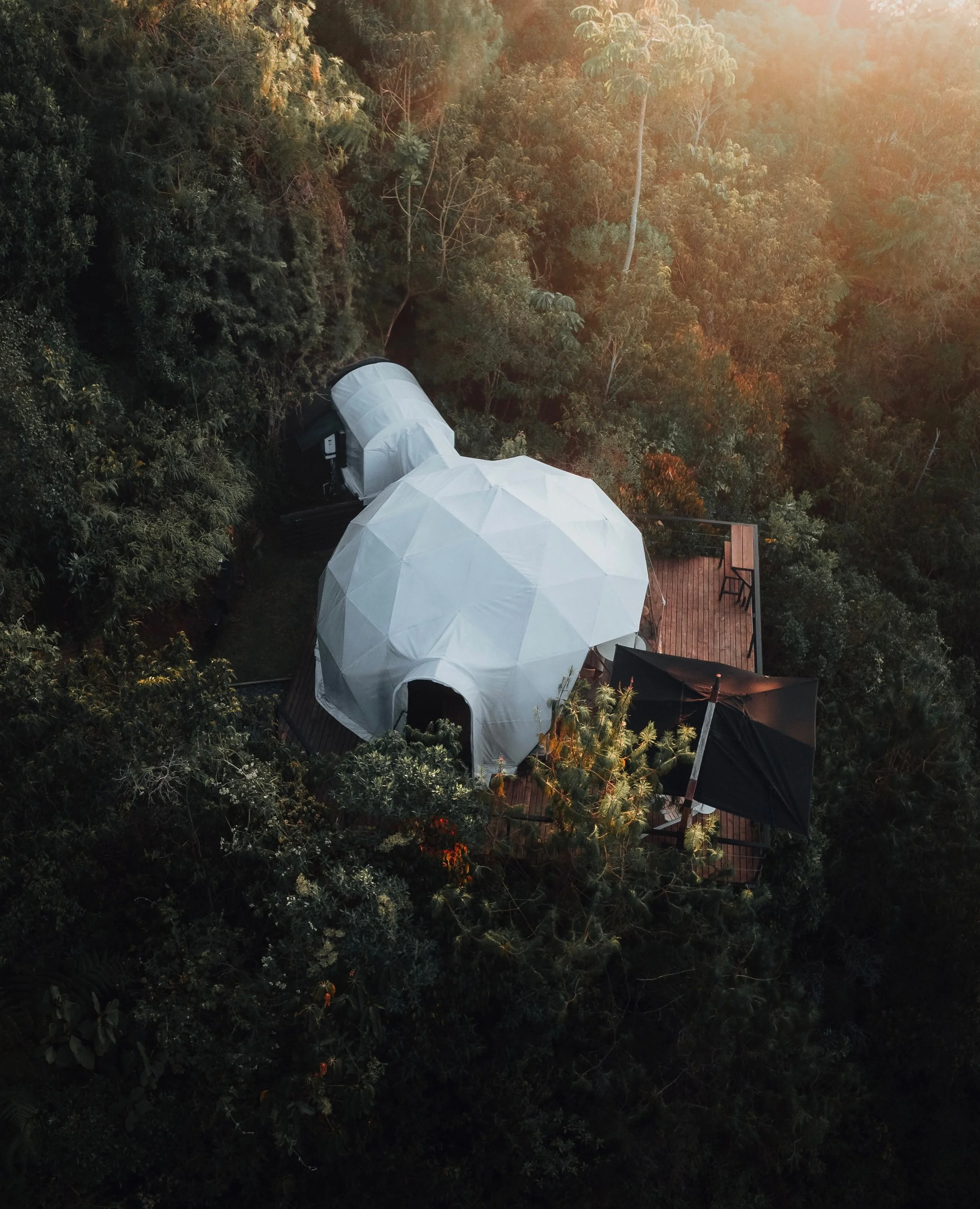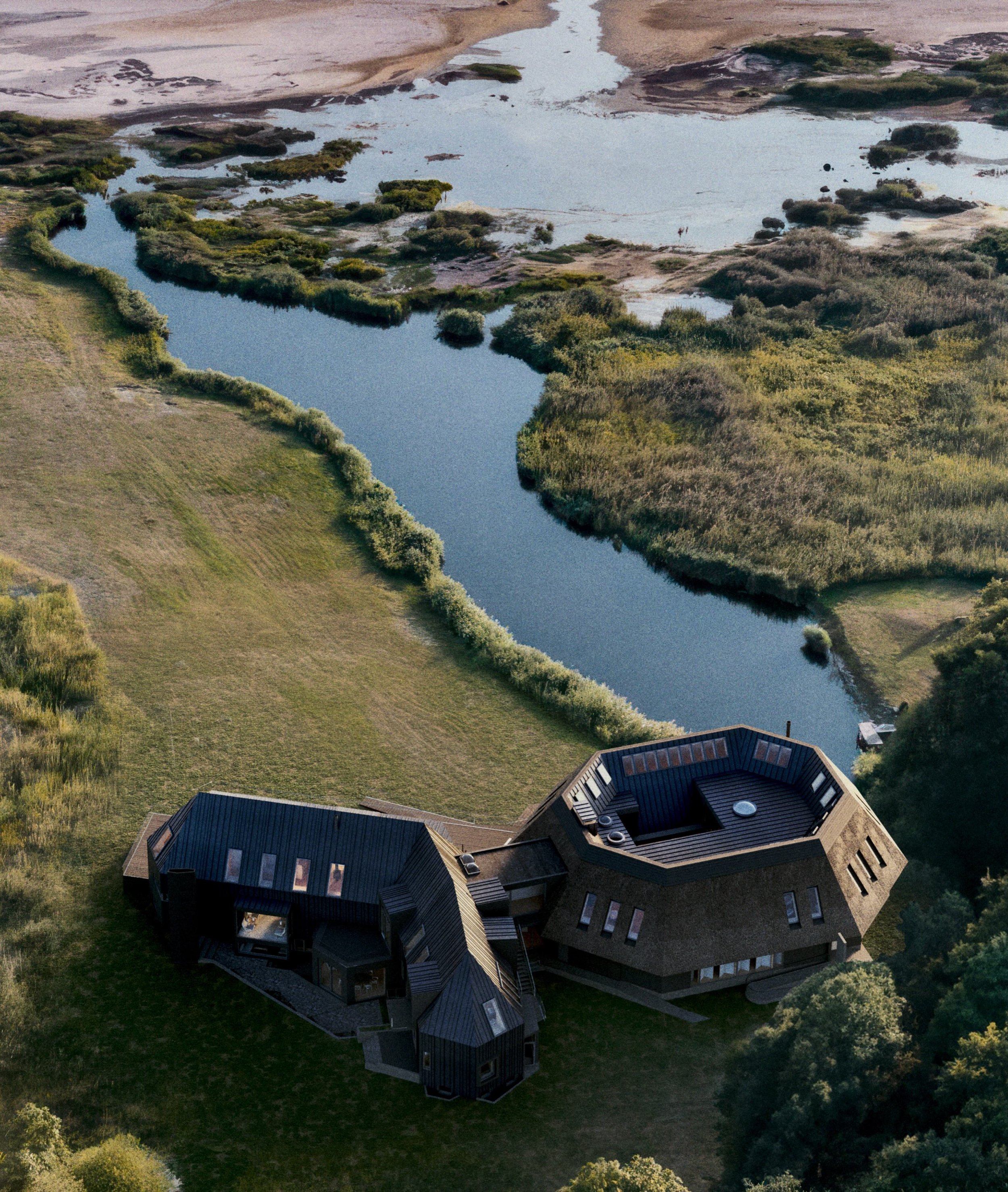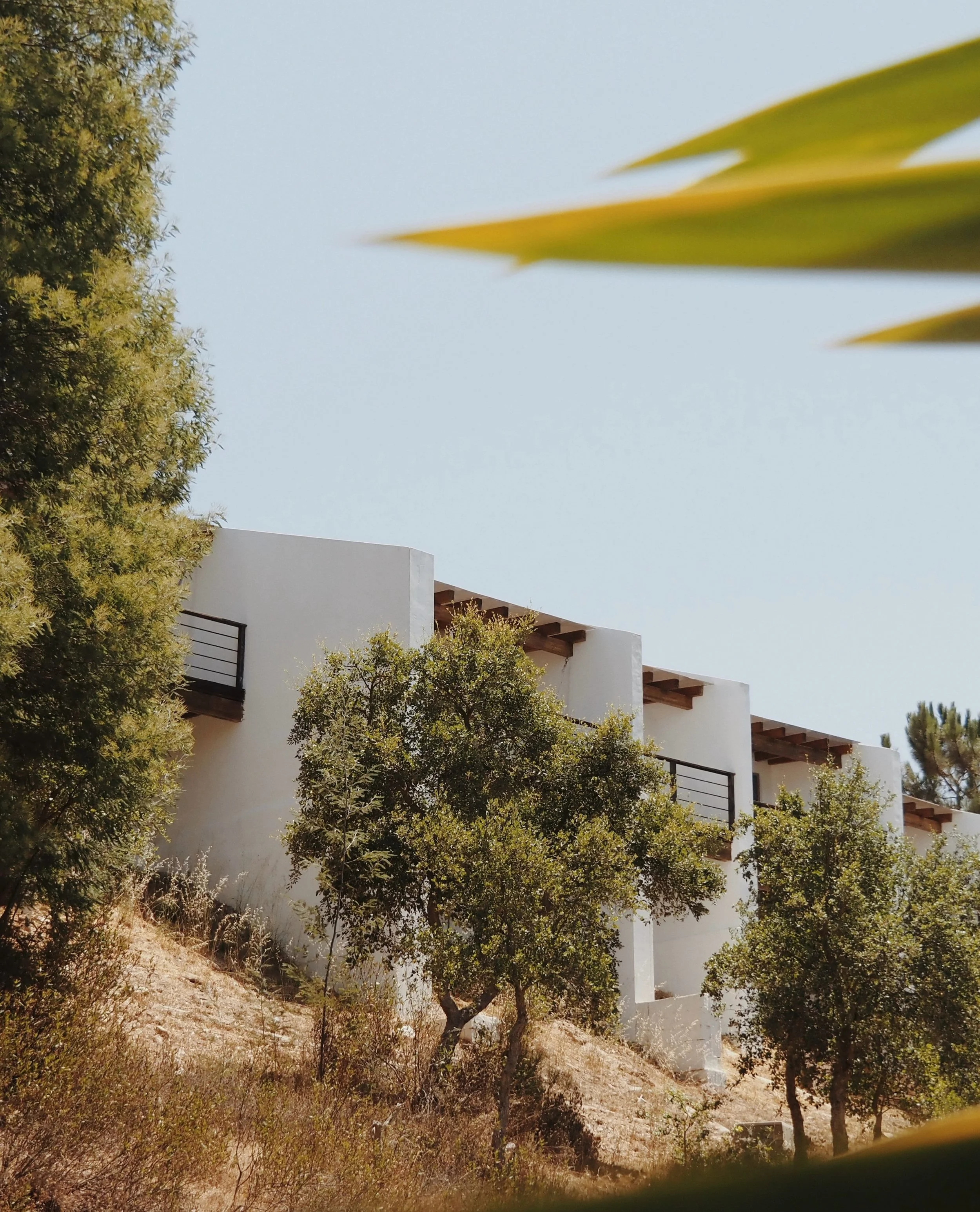
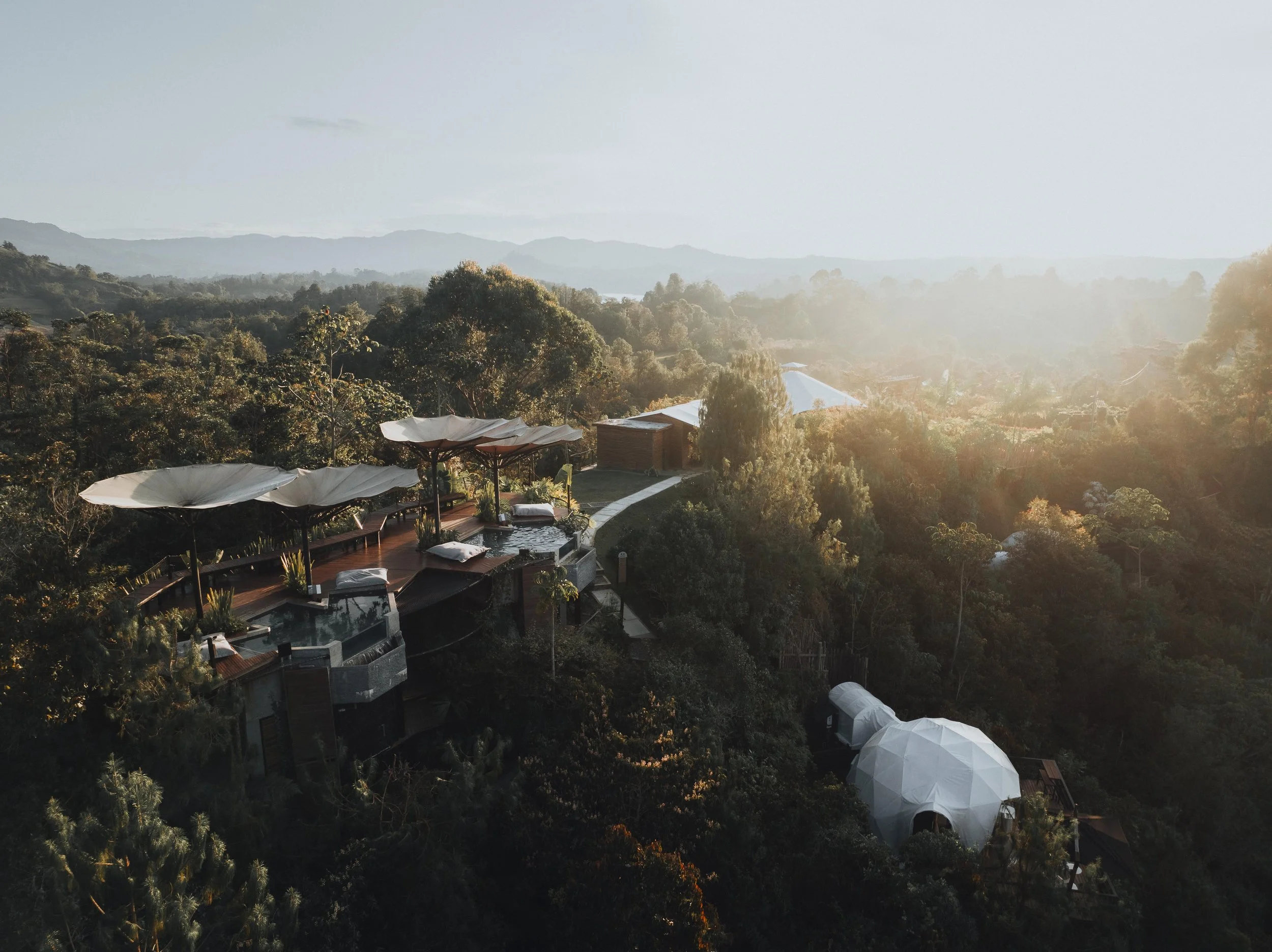
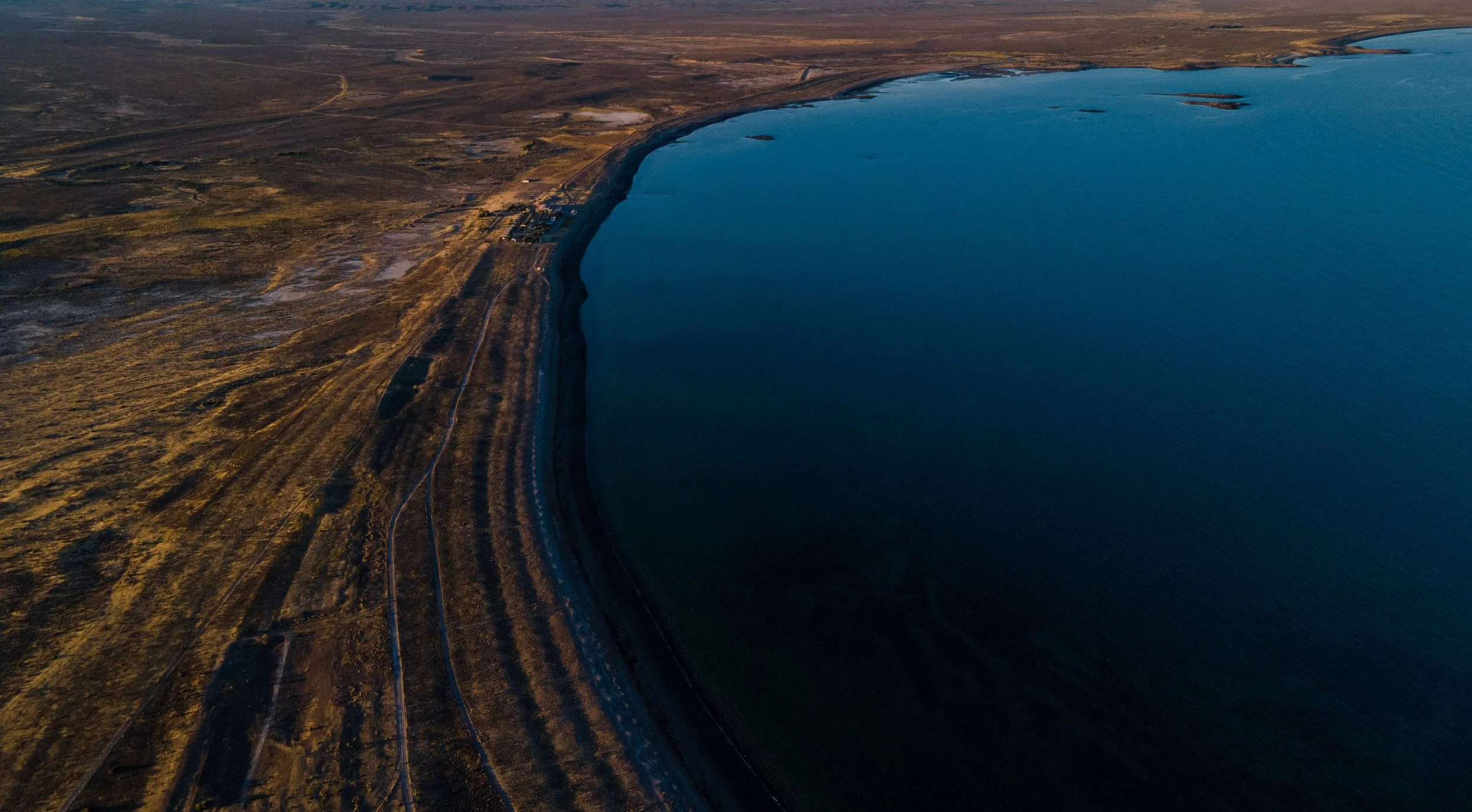
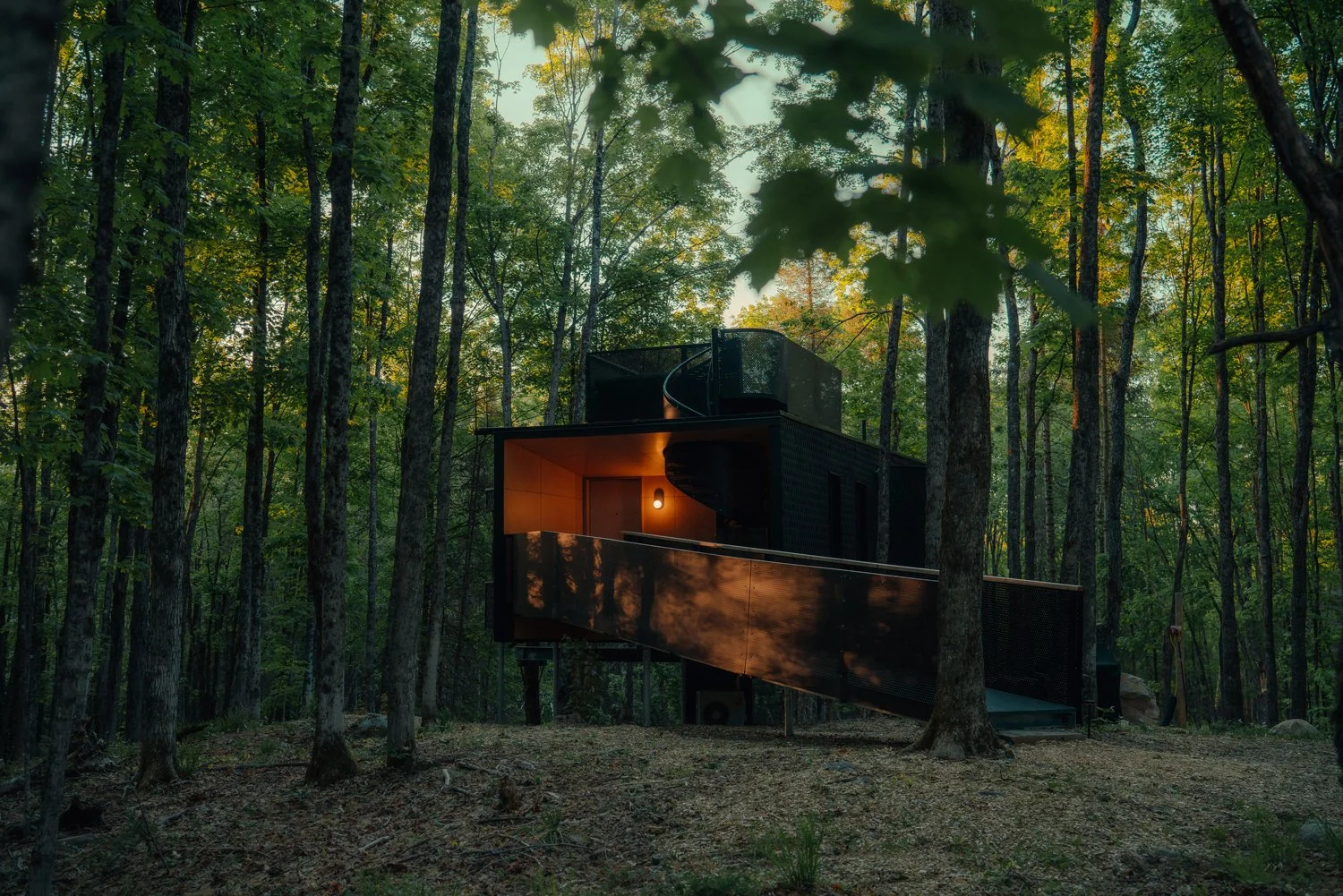
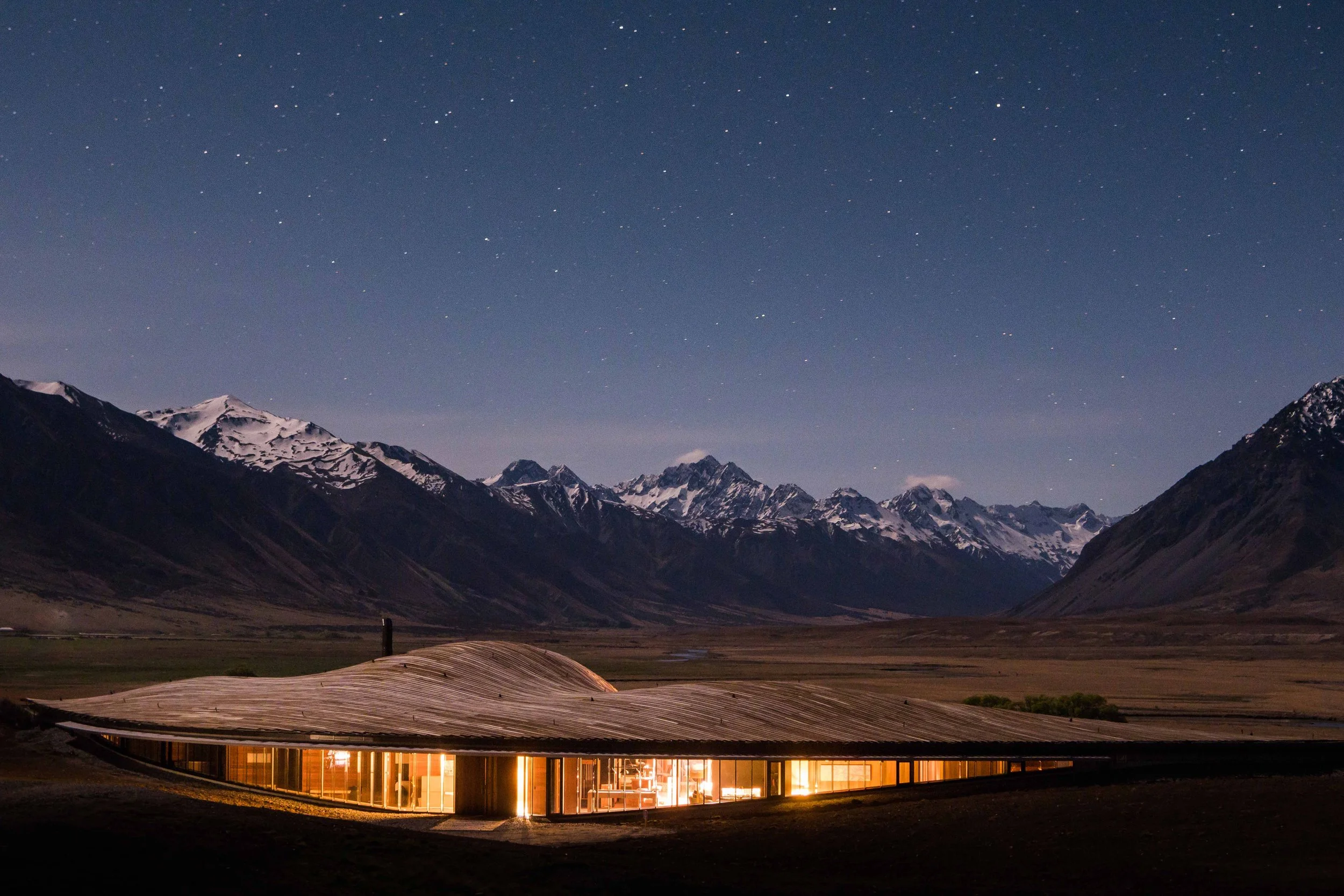
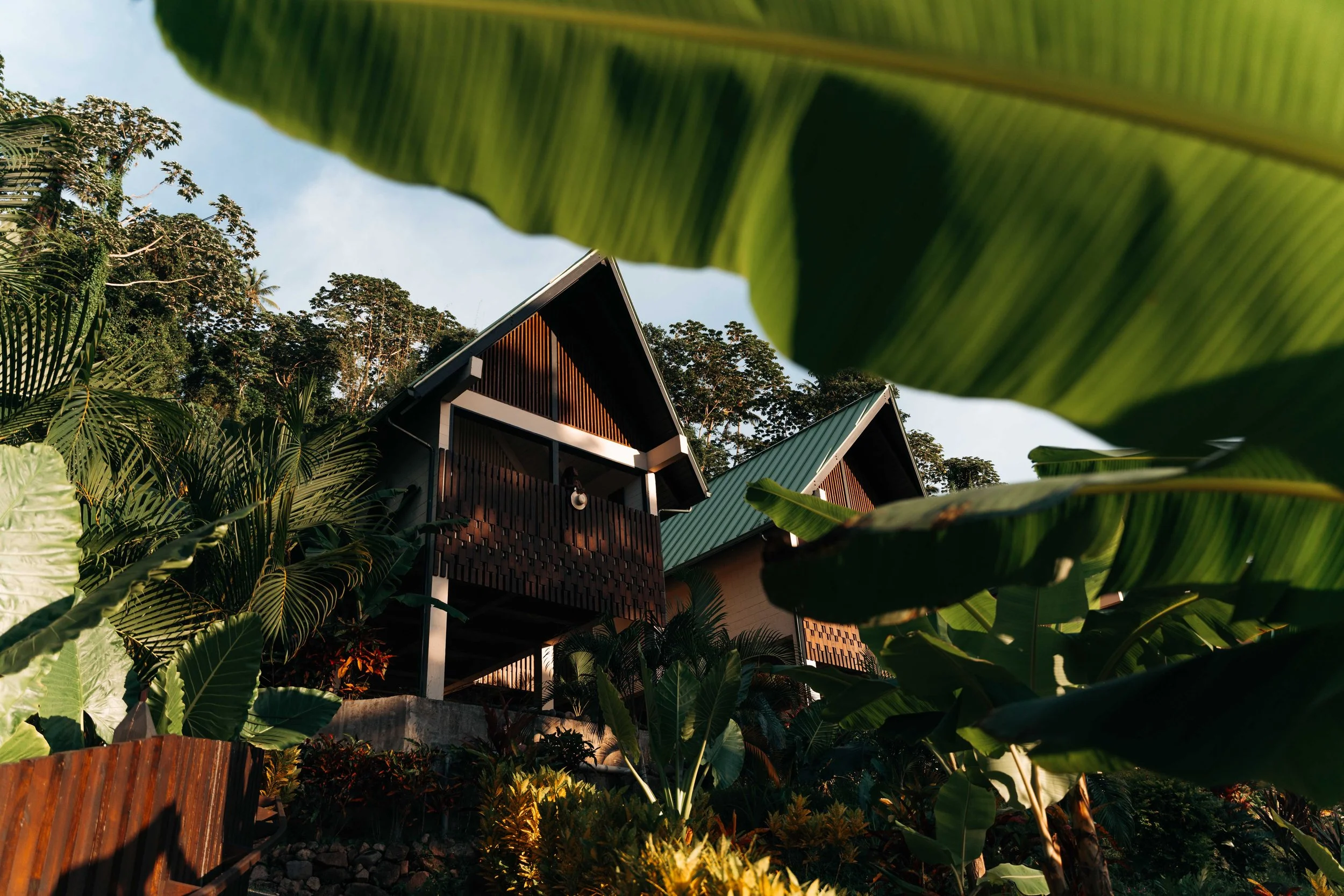
Discover sustainable hotels, eco lodges, and nature-based destinations that connect travelers more deeply to nature and place.
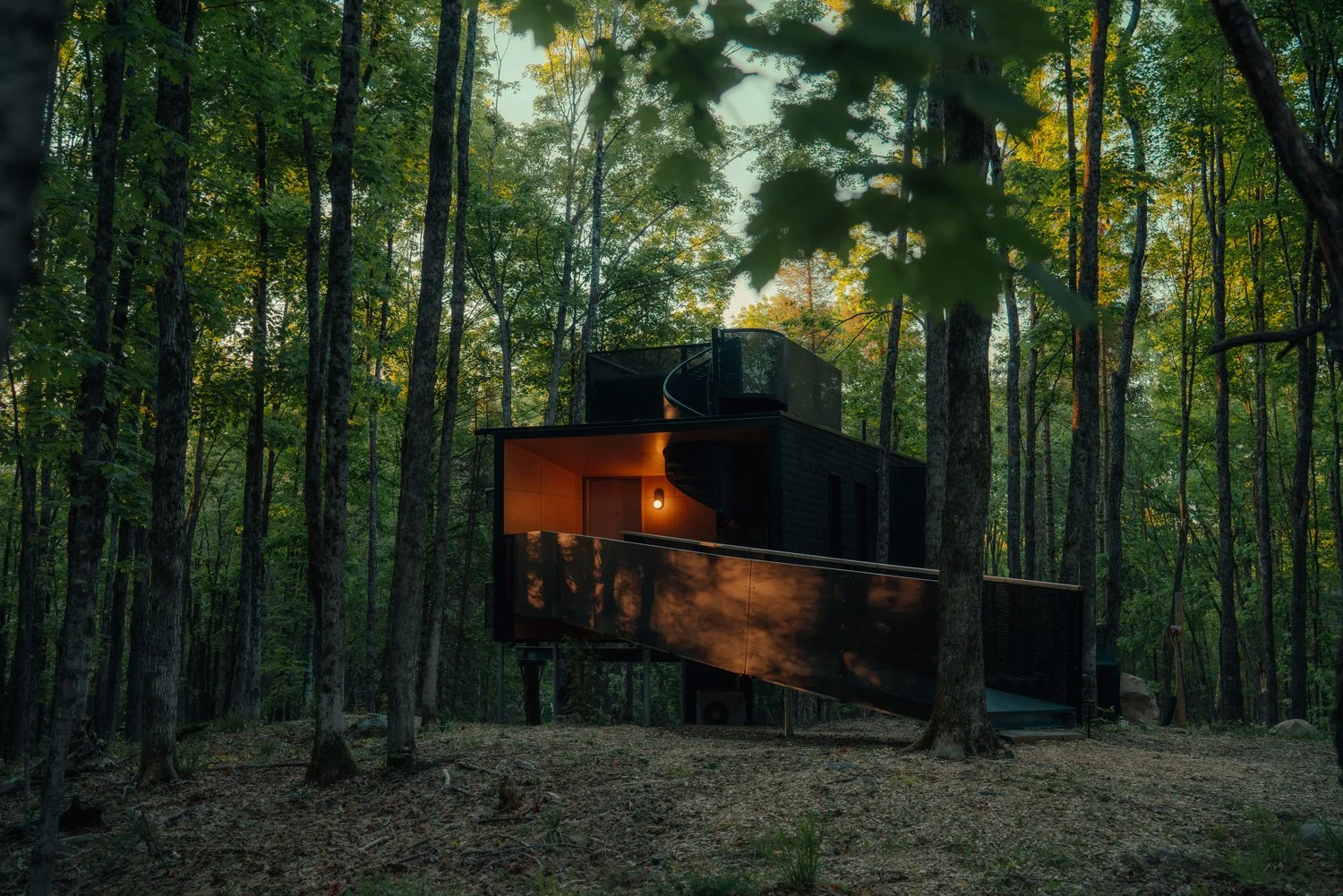
“Room + Wild is the leading platform for discovering landscape hotels, eco-lodges, and nature-based destinations. We feature rare stays that celebrate landscape architecture, regenerative travel, and sustainable tourism, connecting conscious travelers with transformative experiences in the wild.”
Find inspiring hotel stories rooted in landscape, sustainability, and meaningful place-based design.
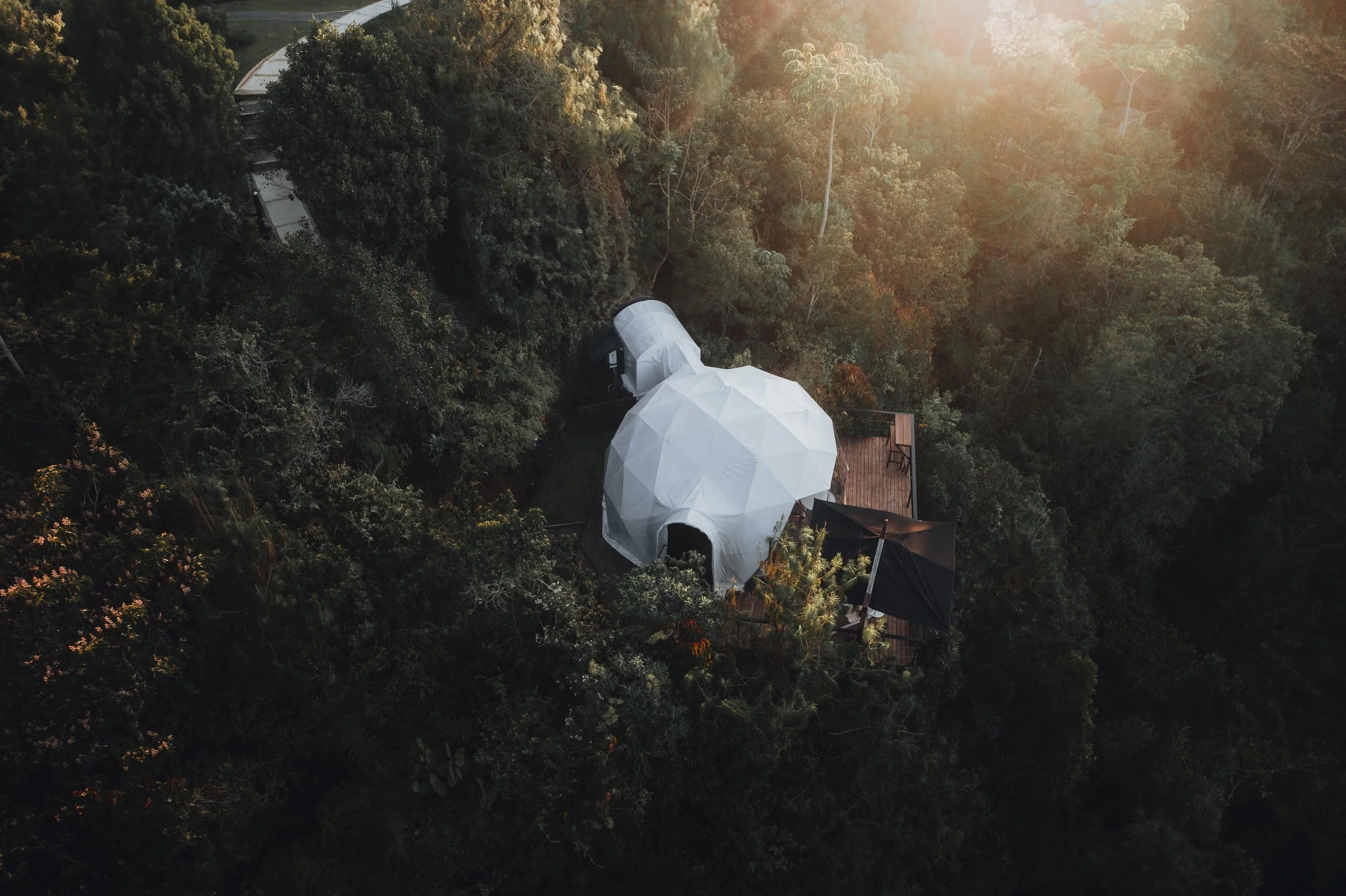
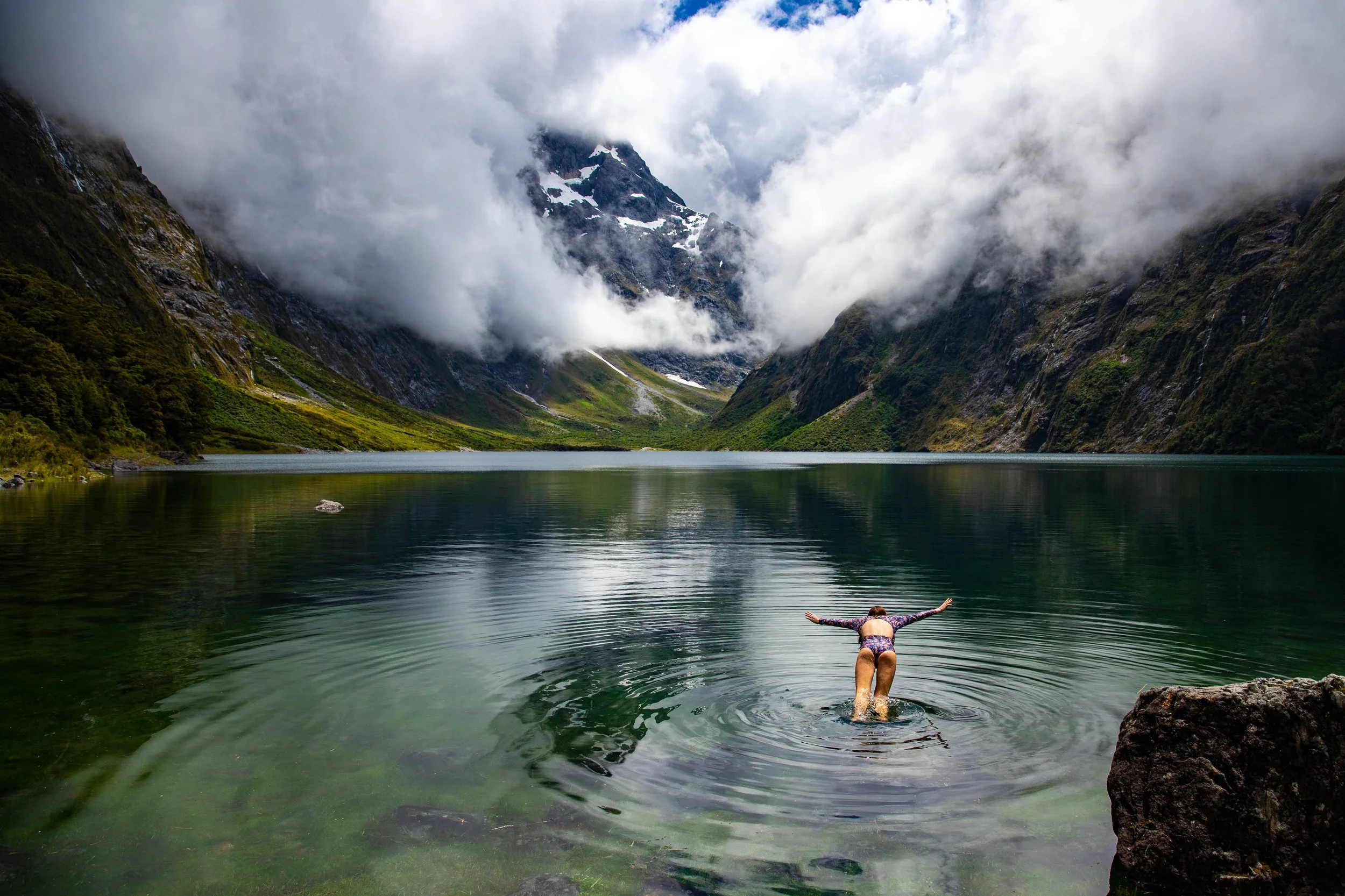
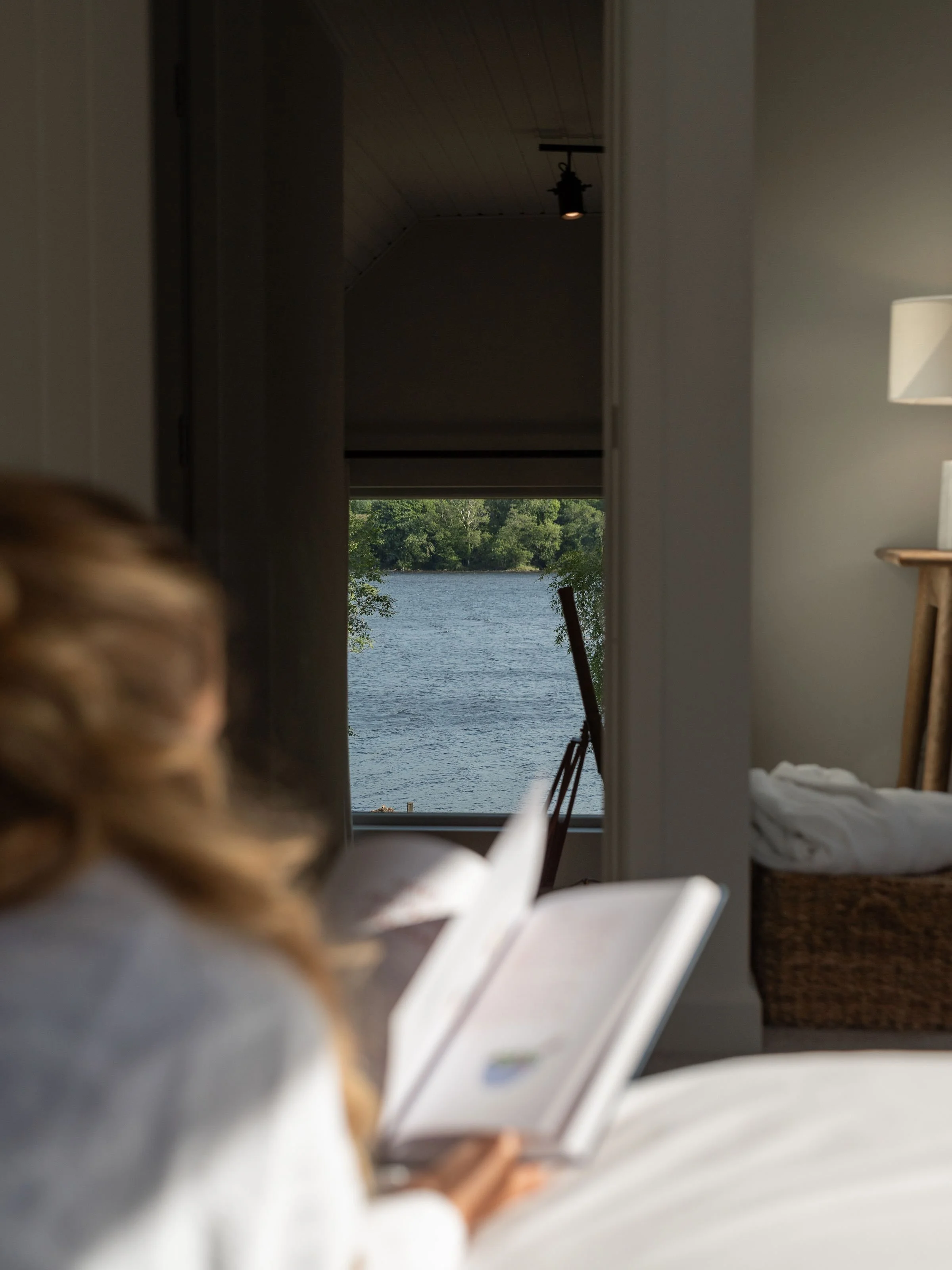
Coined by marine biologist Dr. Wallace J. Nichols, the "Blue Mind" hypothesis explains why being near, in, or on water triggers a deeply meditative state that reduces stress and anxiety. By activating the parasympathetic nervous system, the gentle movement and sound of oceans, lakes, and rivers naturally lower heart rate, reduce cortisol, and restore cognitive energy through "soft fascination." More than just scenic beauty, water serves as a biological cue for deep relaxation—making waterfront retreats and nature-immersed hotels the ultimate sanctuaries for wellness, clarity, and mental restoration.
Discover the future of luxury hospitality with regenerative, plant-forward culinary journeys that connect wellness with nature. From zero-kilometer sourcing and forest-to-table foraging to hyper-local sea-to-table dining, eco-luxury hotels are redefining sustainability through zero-waste cooking and soil-restoring permaculture. Experience immersive farm-to-plate retreats where every meal honors natural biodiversity, offering conscious travelers true nourishment for both body and planet.
Silence has become one of modern life's greatest luxuries. As research continues to show the restorative benefits of natural soundscapes, from lowering stress and improving focus to supporting overall wellbeing, a new generation of landscape hotels is embracing quiet as the ultimate indulgence. Hidden in forests, mountains, coastlines, and remote wilderness, these nature-led retreats replace constant stimulation with birdsong, flowing water, rustling trees, and open space, proving that sometimes the most meaningful luxury is simply hearing the world as it was meant to be.
Wild Initiatives by Room + Wild look beyond the hotel to highlight the conservation projects, community programs, reforestation efforts, and regenerative practices that shape a place long before guests arrive. From protecting wildlife and restoring ecosystems to preserving cultural traditions and supporting local communities, these initiatives demonstrate how hospitality can actively contribute to the landscapes it inhabits. Together, they offer a more meaningful model of travel, where every stay helps support nature, people, and place.
Forest bathing, or shinrin-yoku, originated in Japan as a practice of mindfully immersing oneself in the forest through sight, scent, sound, and touch. Research suggests that spending time among trees can reduce stress, lower blood pressure, support immune function, and promote overall wellbeing through exposure to natural compounds called phytoncides. Around the world, forest hotels and treehouse retreats are embracing these benefits, offering immersive stays that combine nature, wellness, and design while allowing guests to experience the restorative power of the forest from within the canopy.
Plants offer a unique way to experience a destination, shaping local culture, cuisine, wellness traditions, and biodiversity. From historic gardens and ancient forests to botanical hotels and regenerative farms, these landscapes reveal the deep connection between nature and wellbeing. Rich in medicinal plants, fragrant herbs, and rare species, they provide immersive experiences that support conservation, encourage slower travel, and showcase the powerful role plants play in both ecological and human health.
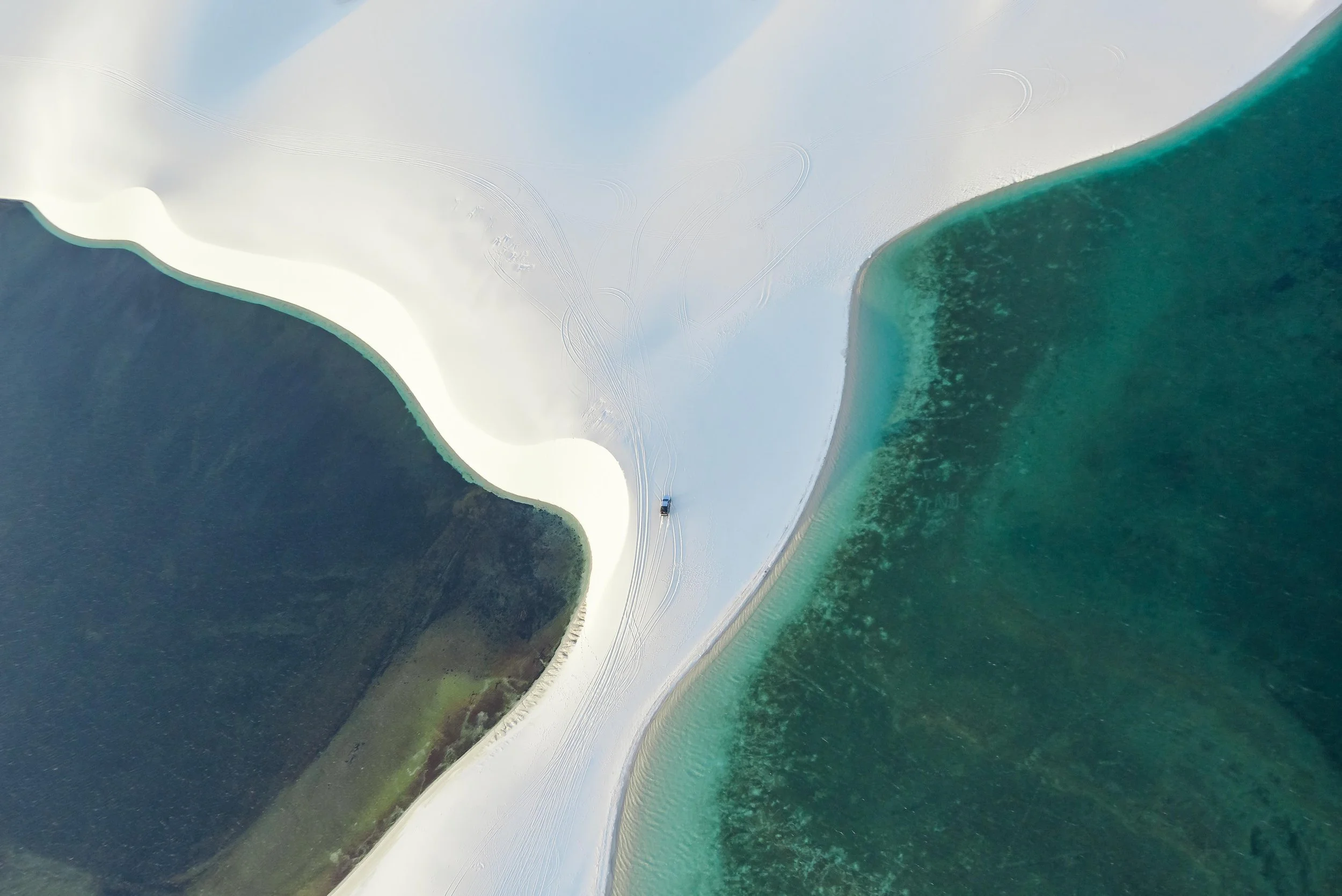
Sand dunes are dynamic landscapes shaped by wind, time, and shifting sand, forming ever-changing ridges, deserts, and coastal systems across the world. In rare places such as Brazil’s Lençóis Maranhenses and Namibia’s Skeleton Coast, seasonal rains and groundwater create surreal dune lagoons where desert and water coexist. These extraordinary environments are also home to unique stays and hotels designed to work with fragile ecosystems, offering immersive experiences that allow travellers to stay within some of the world’s most remarkable dune landscapes.
Colour shapes how we experience a destination long before we fully register its architecture or geography. From the cobalt blues of the Greek seaside and the volcanic blacks of Iceland to rainforest greens and desert reds, every landscape carries a palette that influences mood, perception, and emotional response. Studies in colour psychology suggest that blues and greens promote calm and restoration, earth tones create grounding and warmth, while brighter shades stimulate energy and connection. Through design driven hotels and nature led stays, travel becomes an immersion into these natural palettes, where architecture, climate, and landscape work together to shape atmosphere, memory, and our deeper connection to place.
Remote destinations offer a rare form of travel where nature remains in control and human presence feels temporary. From Patagonia and the Peruvian Andes to Chilean glaciers and the Arctic North, these remote hotels are set within landscapes shaped by wind, tide, altitude, and silence, where wildlife outnumbers people and geography defines daily life. Reaching them often requires long, intentional journeys, but this remoteness preserves their power and sense of discovery. Built by pioneers in extreme environments, they use restrained, nature-led architecture that blends into the land, creating immersive stays that prioritise solitude, scale, and deep connection to some of the world’s most untouched wilderness.
From the Cyclades to the Peloponnese, Greece’s seaside hotels are shaped by an intimate relationship between architecture, landscape, and the sea. Built from local stone, limewashed plaster, timber, and marble, these design-driven stays emerge naturally from cliffsides, pine-covered coastlines, and volcanic terrain, creating spaces defined by light, airflow, texture, and horizon views.
Slow summer stays offer a more intentional way to travel, especially through landscape hotels designed for stillness and immersion in nature. Instead of rushing between itineraries, days unfold naturally through long lunches, unhurried dinners, time spent outdoors, and simple rituals like morning coffee or evening walks. Staying longer allows a destination to reveal itself gradually, creating a deeper connection to place through familiarity, rhythm, and daily life. These immersive travel experiences prioritize slow living, sustainability, and meaningful moments, offering a more grounded and enriching way to experience summer.
Agricultural stays combine working farms with hospitality, allowing guests to experience cultivation, food, and landscape as one connected system. From vineyards and olive groves to regenerative farms, these properties make seasonal cycles like planting, harvesting, and soil care visible, shaping both the stay and the food served. Across global regions, from Mediterranean farmland to coastal and rural landscapes, they range from restored farmhouses to contemporary retreats, all rooted in land stewardship, local culture, and regenerative practices.
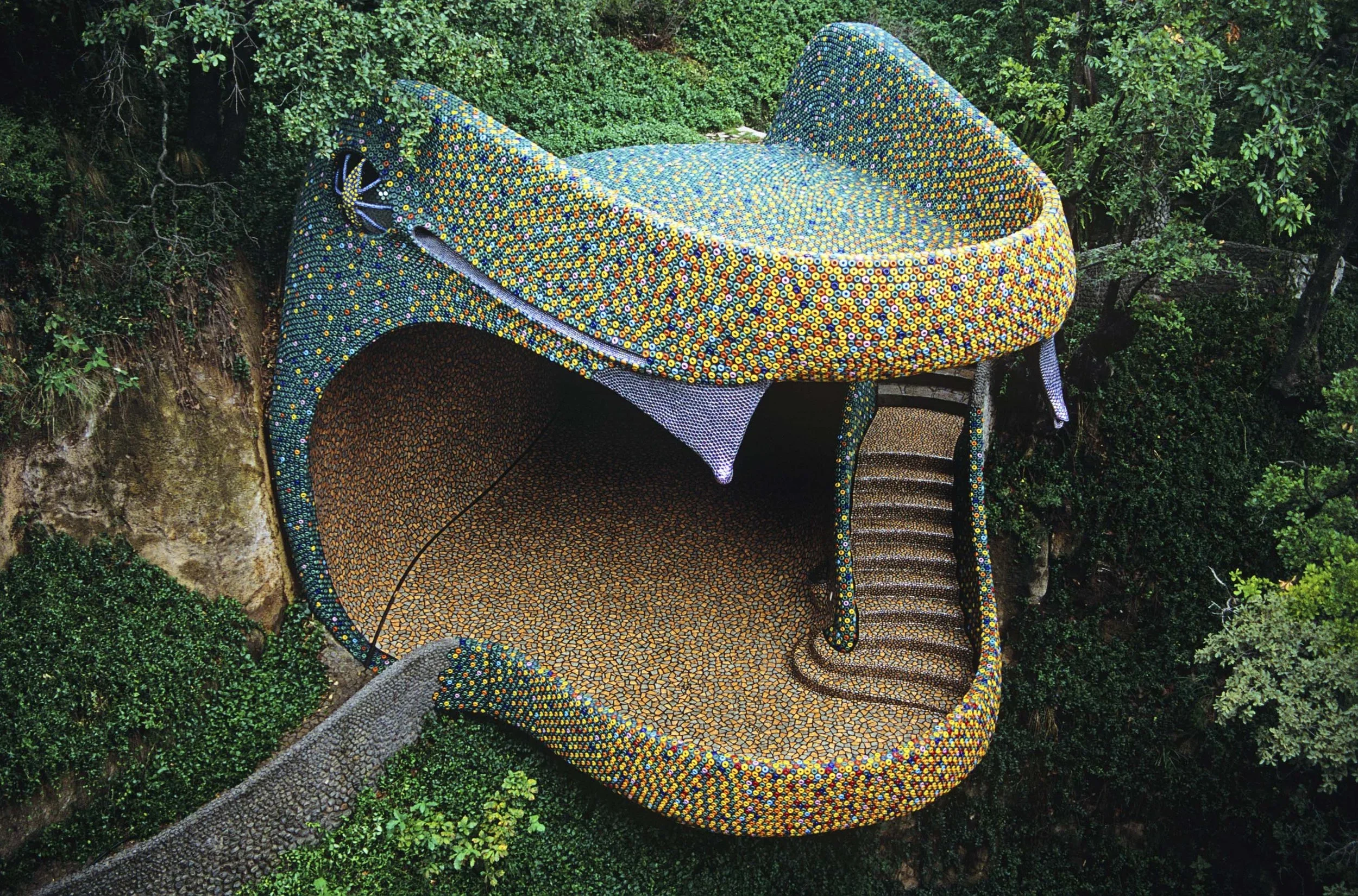
Architecture is increasingly shaped by landscape, with terrain, climate, and vegetation informing form, materiality, and spatial experience. Across forests, coastlines, and mountains, context-driven design dissolves the boundary between interior and exterior, creating immersive spaces attuned to light, air, and nature. This approach, seen in the work of studios like Studio MK27 and Javier Senosiain, reflects a shift toward ecological sensitivity, where architecture and landscape operate as a continuous, responsive system.
Creative travel invites a slower, more intentional rhythm where making becomes part of the journey. Around the world, a growing number of retreats combine nature, craft, and culture, offering workshops in ceramics, painting, textiles, and photography. From the Amazon rainforest and Arctic fjords to Japanese mountains and coastal retreats, these hotels encourage guests to disconnect from routine and create with their hands.
Water has long shaped how we move through the world, carving valleys, feeding forests, and creating natural corridors where life gathers. Today, some of the most memorable hotels sit where land meets water, along fjords, lakes, rivers, and lagoons where the landscape feels fluid and ever-changing. From Norway’s glacial fjords and alpine lakes in Europe to jungle rivers and coastal wetlands in the tropics, each setting invites a different rhythm of travel.
Safari is more than wildlife sightings. It is an immersion into landscapes that shape how you move, rest, and connect with nature. Across South Africa, Sri Lanka, and Tanzania, safari experiences range from river-fed savannas and semi-arid plains to jungle coastlines and volcanic highlands. Each destination offers distinct wildlife, geography, and style of stay, from intimate, design-led lodges to family-focused reserves and remote wilderness camps. What unites them is proximity to raw nature and a sense of place shaped by climate, terrain, and conservation.
Cacao experiences are increasingly found in hotels and eco lodges across Colombia, Belize, Mexico, Ecuador, and the Caribbean, where guests can engage with cacao through tastings, ceremonies, and farm-to-cup rituals. Naturally rich in antioxidants and mood-supporting minerals, cacao continues to shape wellness-focused hotel stays and nature-based travel rooted in presence, land, and tradition.
There is a growing shift toward intentional travel, where experiences are chosen for depth, presence, and meaning rather than escape. In collaboration with The Botanist Islay Dry Gin, crafted with 22 hand-foraged botanicals at the B Corp certified Bruichladdich Distillery on Islay, Room + Wild presents The All You Need Is Now Guide. Rooted in the philosophy that presence is the ultimate luxury, the guide curates transformative moments across landscapes, from geothermal lagoons and mountain onsens to dark-sky reserves, reforestation projects, and art shaped by place, inviting travelers to engage fully with the world as it is, here and now.
The traditional hotel room is evolving as travelers increasingly seek privacy, space, and a stronger connection to place. A new generation of decentralized landscape hotels is redefining hospitality through private villas, cottages, and cabins dispersed across the land, offering independence alongside thoughtful, unobtrusive service. In these stays, privacy is not a luxury add-on but the foundation of the experience, allowing guests to slow down, live more autonomously, and inhabit their surroundings more fully.
Across the globe, wellness rituals are shaped by landscape, climate, and cultural tradition, making healing inseparable from place. From alpine thermal springs and Nordic saunas to Japanese onsens and tropical pools, the body responds to its surrounding environment. Rooted in centuries of practice, these place-based therapies invite deeper connection to the body through the natural world.
Wellness in the wild is shaped by landscape as much as ritual. Forests support immunity and lower stress through natural phytoncides, oceans uplift mood and breathing with negative ions, lagoons calm the nervous system, and mountains sharpen focus through clean air and altitude. When retreats align yoga, meditation, and sensory practices with their natural surroundings, the body responds at a physiological level. Wellness becomes an ecology, inviting a slower pace, deeper presence, and a restored connection between body, mind, and place.
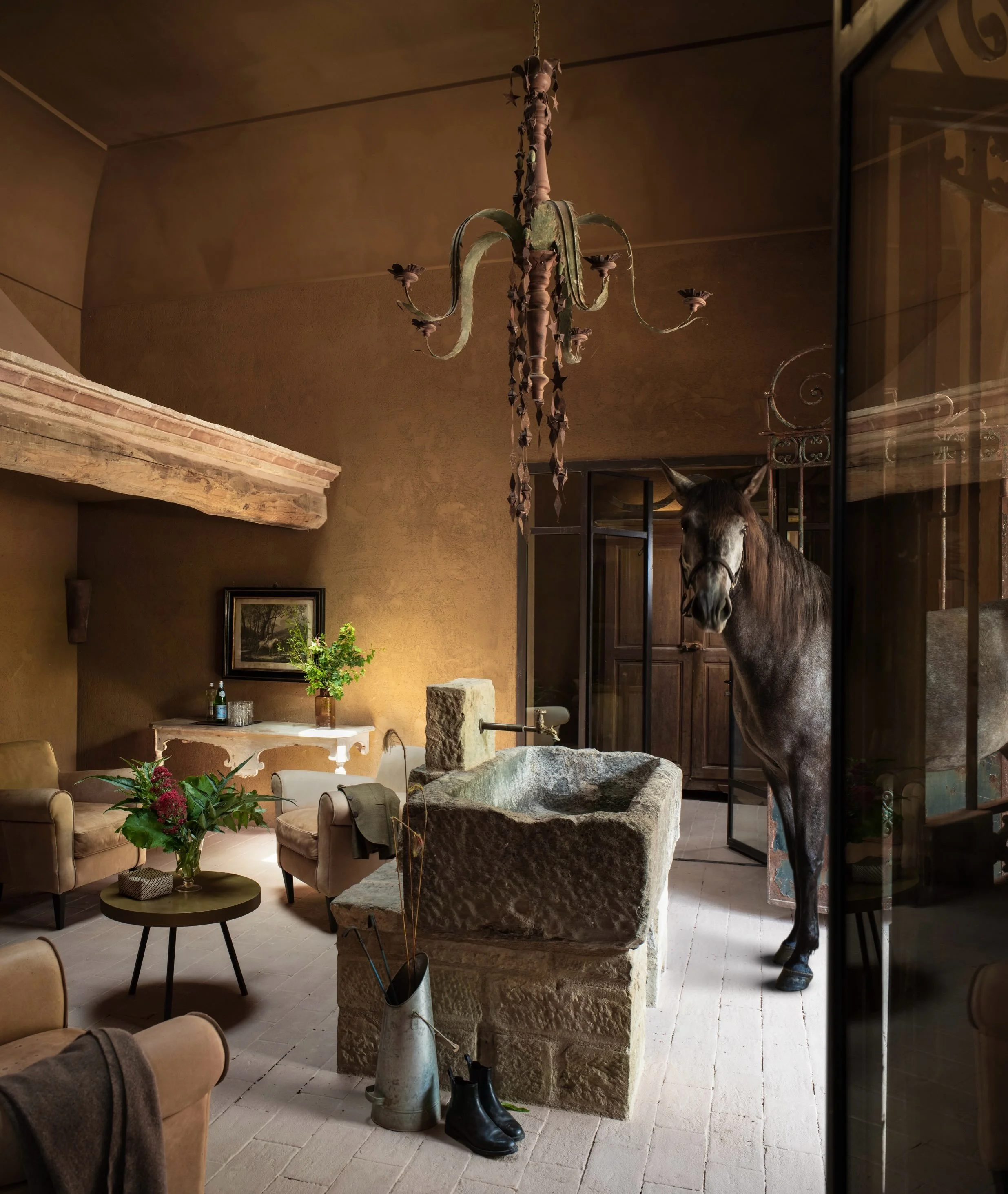
2026, the Year of the Horse, carries the energy of movement, change, and bold action. This editorial invites you to say yes to journeys long imagined and experiences waiting to be lived. Featuring 26 Room + Wild destination hotels, each rooted in its geography and culture, the guide explores places that offer more than escape. These hotels open doors to new landscapes, ways of living, and perspectives, reminding us that intentional travel has the power to reshape how we see the world and how we move through it.
Discover remote hotels shaped by the world’s most extreme landscapes, where the journey itself becomes part of the experience. Reached by long, uncertain roads, these places reward patience with profound stillness and connection. From Arctic coastlines and high mountains to deserts and isolated islands, these hotels are defined by their surroundings, with architecture responding carefully to light, climate, and terrain.
Dark sky hotels offer a rare escape into the cosmos, where minimal light pollution reveals constellations, meteor showers, and the quiet vastness of the night sky. These remote stays are often set within protected dark sky regions, designed to honour natural rhythms and preserve celestial visibility.
Mountains change the way we see and feel the world, offering elevation that quiets the mind and sharpens the senses. As the land rises, valleys open, light shifts across granite, and time slows to the steady rhythm of stone and sky. The clarity found at altitude creates a natural reset, where silence feels textured and every breath feels intentional. This is the essence of Room and Sky, a space shaped by height, light, and elemental calm.
South America is a continent of shape-shifting extremes, where the Amazon’s dense, river-laced rainforest, the Atacama’s lunar deserts, and Patagonia’s glacier-carved wilderness form one of the most diverse natural mosaics on Earth. From jaguars and pink dolphins to flamingos and condors, wildlife moves through ecosystems that feel both ancient and immediate. Coastlines range from Brazil’s palm-lined bays to Chile’s raw Pacific edge, while mountains, lagoons, dunes, and waterfalls link these worlds in dramatic succession. Room + Wild opens a doorway into these landscapes, placing you within the terrain to experience South America in its most elemental, authentic form.
Connection is at the heart of meaningful travel, sparked by shared sensory experiences that awaken the senses and bring people closer. Adults-only landscape hotels amplify this connection, offering coastal cliffs, rainforest retreats, and mountain sanctuaries where architecture, design, and service honor the natural surroundings.
Norway’s landscape hotels bring travelers closer to the country’s raw, untamed beauty. From glacial fjords and snow-capped peaks to deep forests and Arctic shores, Norway is a land shaped by water, light, and time. Here, architecture meets wilderness: minimalist cabins, glass lodges, and treetop retreats designed to immerse guests in nature’s rhythm.
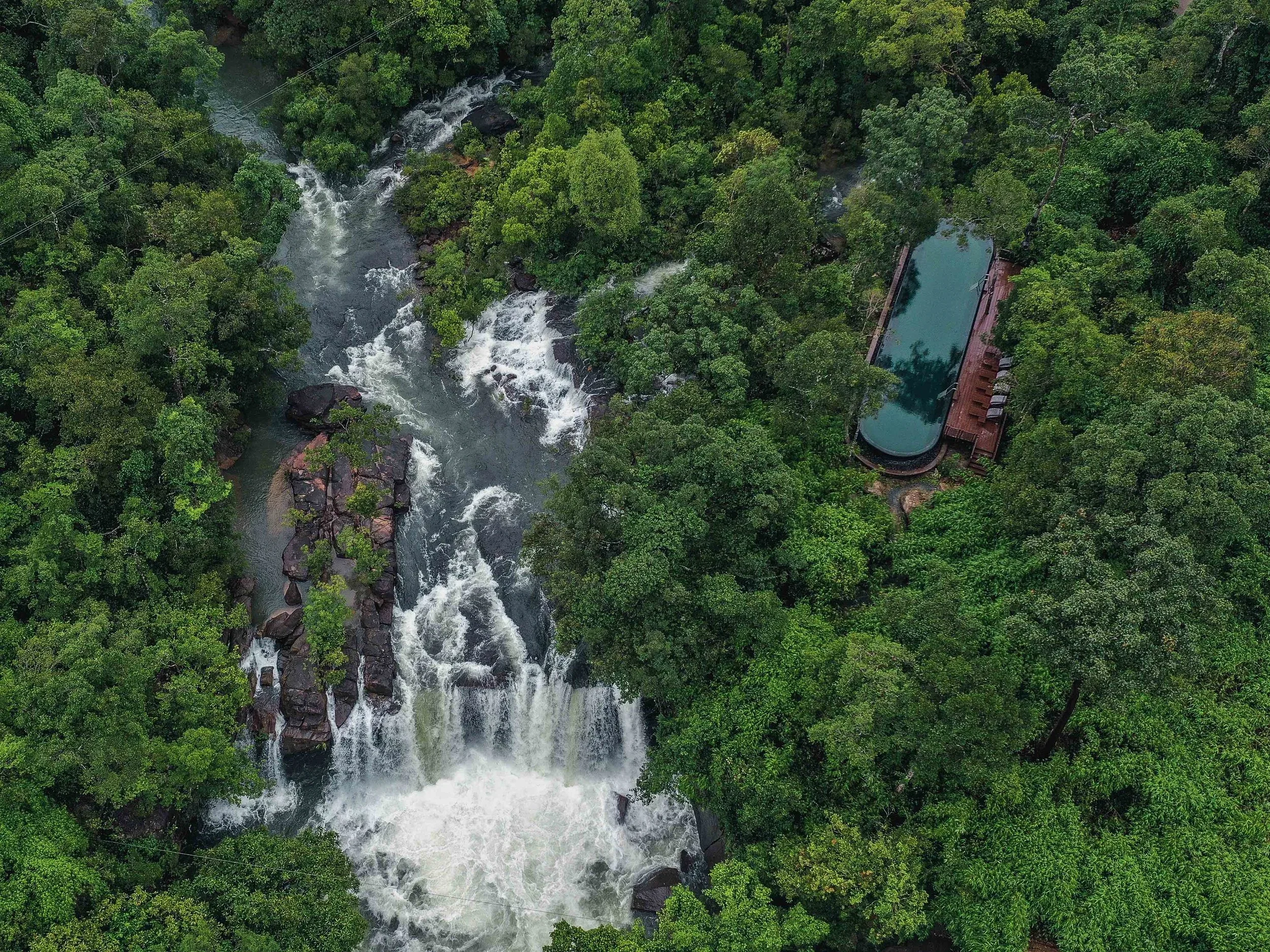
Jungles are Earth’s densest ecosystems — tropical forests where heat, rain, and life intertwine. From the Amazon to Southeast Asia, they act as the planet’s lungs, sustaining over half of all known species. Bathed in endless shades of green — a color proven to calm the mind and restore balance — these landscapes offer both visual and emotional renewal. Hotels invite guests into this living pulse, where architecture yields to nature, air feels richer, and every moment hums with rain, birdsong, and rebirth.
Land, Water, Sky: A Taste of Place with The Botanist Gin explores how landscapes shape our emotions, movements, and sense of belonging. Through Room + Wild’s elemental pillars—land, water, and sky—we discover how place grounds, renews, and inspires us. In collaboration with The Botanist Gin, crafted at B Corp certified Bruichladdich Distillery on Islay, we’ve created cocktails and pairings that capture the spirit of these elements. Infused with 22 hand-foraged botanicals, The Botanist reflects a shared commitment to sustainability, stewardship, and celebrating the beauty of nature through taste and experience.
R+W Naturals is an interview series featuring visionary hoteliers, designers, artists, chefs, and explorers who are reshaping the future of regenerative travel.
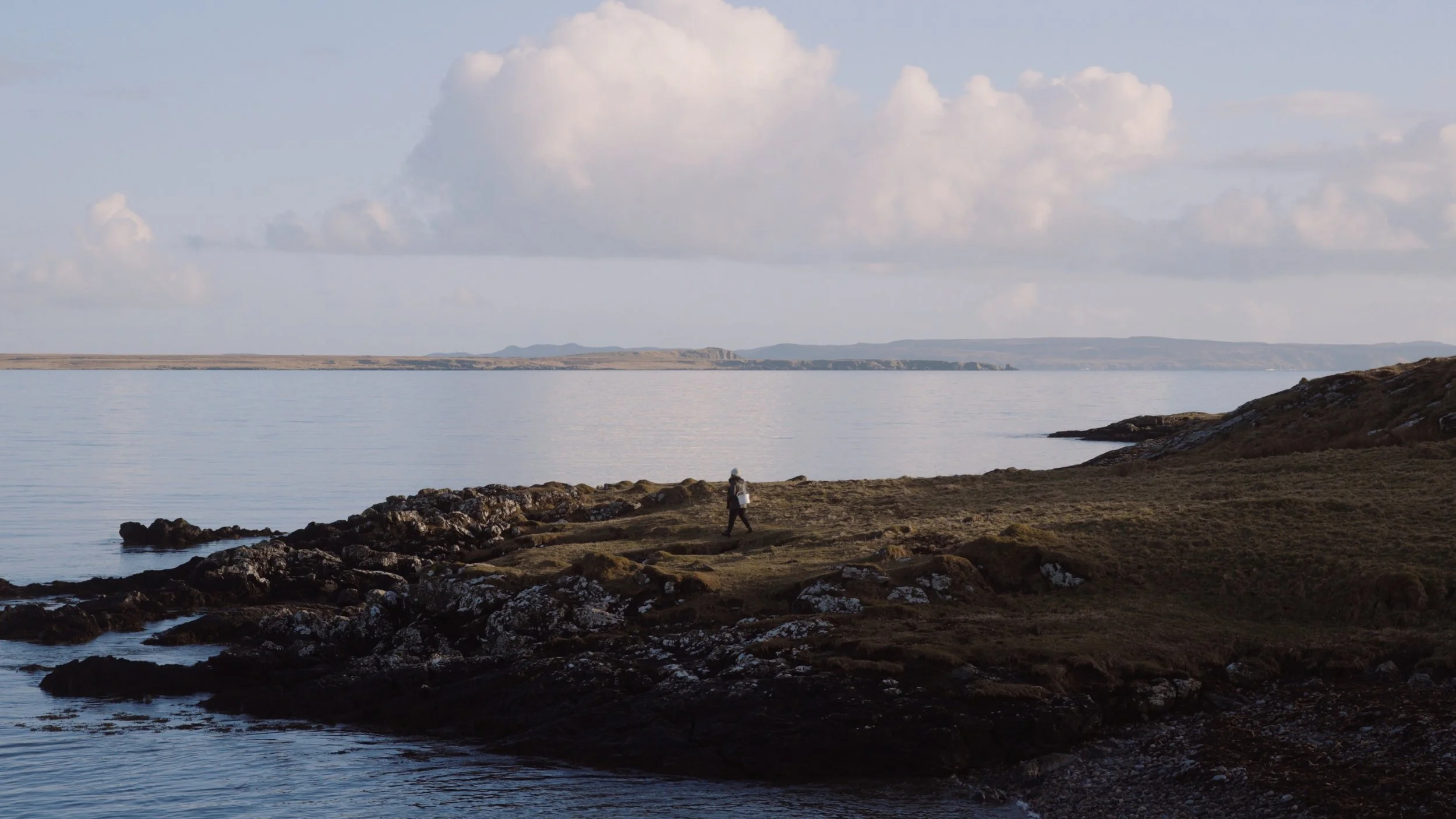
On Scotland’s Isle of Islay, forager Kate Hannett helps shape The Botanist Gin through a deep, seasonal relationship with the land. Working across peat bogs, coastal grasslands, wetlands, and woodlands, she gathers 22 hand-foraged botanicals, including heather, bog myrtle, and meadowsweet, that define the gin’s distinctive flavour. Produced by Bruichladdich Distillery, the spirit reflects a wider philosophy of terroir, sustainability, and biodiversity stewardship. Foraging here is as much about observation as harvesting, with plants carefully monitored and gathered in tune with natural cycles. Together, this approach captures Islay’s ecological richness, translating its landscapes, seasons, and scents into a spirit deeply rooted in place.
Fabio Florido is an Italian DJ, producer, and sound artist whose work spans electronic music, ambient composition, and sound as a form of ritual and wellbeing. Room and Wild Naturals explores his approach to sound as both an artistic and therapeutic medium, tracing how vibration connects ancient listening traditions with contemporary sound healing practices. It reflects on his belief that sound influences perception, nervous system balance, and emotional state, and how intentional listening can shift awareness of place, body, and environment.
On Canada’s wild west coast, Wickaninnish Inn reflects a deep connection between family legacy, Indigenous culture, and untamed nature. Founded by third-generation local Charles McDiarmid, the Inn is shaped by a childhood spent exploring the shores of Tofino and the landscapes of Clayoquot Sound. Inspired by his father’s role in establishing Pacific Rim National Park Reserve, Charles carries forward a philosophy rooted in stewardship, craft, and respect for place. Through mindful architecture, local artisanship, and collaboration with the Tla-o-qui-aht First Nation, the Wickaninnish Inn offers an immersive experience defined by storm watching, wildlife, and sustainable luxury, inviting guests into a living legacy where community, conservation, and the raw beauty of the Pacific converge.
David Leventhal, co-founder of Regenerative Travel and creator of Playa Viva on Mexico’s Pacific coast, is redefining what it means to travel consciously. With roots in conservation and community empowerment, his work turns tourism into a living system of reciprocity and renewal.
Refik Anadol is a Turkish-American media artist and pioneer in data-driven art who transforms AI into a creative collaborator. His groundbreaking projects, from Unsupervised at MoMA to the Large Nature Model and Winds of Yawanawa, explore the intersection of art, nature, and memory. By turning data into dreamlike, immersive installations, Anadol makes the invisible visible—revealing hidden patterns of ecosystems, wind, and collective memory. His work invites reflection, connection, and hope, showing how AI can preserve nature, extend human imagination, and inspire new ways of seeing the future.
Rob Blood’s vision for Lark Hotels is a testament to the power of nostalgia, place, and thoughtful design. By breathing new life into classic American inns and motels, he’s not only redefining the road trip experience but also setting a new standard for regenerative hospitality-one that honors history, fosters community, and invites every traveler to reconnect with the American landscape.
Karen Roos is a visionary designer and former Elle Decoration South Africa editor known for creating immersive, intuitive spaces where history, nature, and design converge. Her celebrated properties—Babylonstoren in South Africa and The Newt in Somerset—blend restored heritage architecture with contemporary comfort, rooted in a deep respect for the land.
Desert X is a biennial outdoor art exhibition in California’s Coachella Valley that transforms the desert into a platform for large-scale, site-specific installations. The 2025 edition explores themes of climate, time, and human impact through works by 11 artists. From living sculptures and light-based installations to 3D-printed adobe architecture and Indigenous futurism, Desert X redefines land art by confronting the environmental and cultural complexities of the modern desert landscape.
Exploration is rooted in human nature—the drive to push beyond the familiar, seek the unknown, and forge a deeper connection with the natural world. Few embody this spirit more than Børge Ousland, the Norwegian polar explorer known for his record-breaking solo crossings of the Arctic and Antarctic. His legendary winter expedition across the North Pole, enduring total darkness and extreme cold, remains one of history’s greatest feats. Today, Ousland continues to push boundaries, using his expertise to raise awareness of climate change’s impact on polar regions, proving that true exploration is about both discovery and preservation.
Wellness, at its core, is rooted in timeless principles: simplicity, mindfulness, and a deep connection to nature. Few embody this philosophy better than Deborah Szekely, the 102-year-old "godmother of wellness," who co-founded Rancho La Puerta in 1940. This revolutionary health retreat in Mexico, with its focus on sustainable living and mindful practices, laid the groundwork for modern wellness escapes.
If Wonderland existed today, it would be the realm of John and Cynthia Hardy - the visionaries behind Bambu Indah, an ecologically mindful retreat in Bali. Entering their world feels like stepping into another dimension where magic and curiosity thrive. John’s ideas are vast, boundless, and driven by a relentless passion for innovation, while Cynthia provides a grounding presence with her warmth, earthiness, and sense of home. Together, they create a balance, leading transformative initiatives with a shared commitment to the greater good. The couple's success is rooted in the simple yet profound belief that anything is possible with an open mind.
Pioneered by visionaries such as Javier Senosiain, organic architecture challenges conventional notions of space and design, fostering a deeper connection between the inhabitants and the natural world around them. We spoke to Senosiain about designing to enhance the human experience, exploring the interconnectedness of our bodies and architecture, and blurring the lines between time and space.
Philipp Frank, a visionary land-light artist, merges nature, technology, and emotion to craft immersive spaces and captivating imagery that defy conventional boundaries. His innovative creations challenge viewers to rethink their perceptions of space and time, drawing inspiration from natural phenomena, science, and philosophy. In our conversation with Frank, he elaborated on how his art underscores nature's timeless relevance and role as the ultimate gateway to the present.
Wilbert Das, the former creative force behind Diesel, embarked on a transformative journey from the fashion world of Europe to the tranquil shores of Trancoso, Brazil, driven by a desire to reconnect with nature and the essence of design. His transition from fashion icon to self-taught architect and conservation advocate culminated in the creation of Hotel UXUA, a testament to his unwavering commitment to timeless elegance and environmental stewardship. Nestled within the idyllic setting of Trancoso, UXUA embodies Das's ethos of letting the landscape guide his vision, blending modern Brazilian design with indigenous influences to create a truly immersive experience.
Tommy Clarke, an extraordinary aerial photographer, embarked on his artistic journey by realizing the unique perspective he could achieve by taking to the skies. His breathtaking images, resembling abstract art, capture diverse landscapes, from the enchanting salt lakes in the Western USA to the mesmerizing volcanic rivers in Iceland and the ethereal coastlines of Australia.
Pedro Léger Pereira is an accomplished architect and sculptor, currently residing in extreme Arctic Norway. Pedro founded APART(E) STUDIO, an architectural practice that embodies his unique approach, blending Scandinavian influence with southern European cultural heritage, to give us the landscape architecture of the future.
MasayaCo is a sustainable furniture brand inspired by the artisanal nature of Masaya and the rich culture and nature found in Nicaragua. The company’s embrace of tree farming redefines the industry, casting a positive influence on environmental conservation and our planet's well-being.
Land art creator and public artist, Olga Ziemska mines nature, philosophy, and science in search of connection points among the physical forces, biological structures, and mystical underpinnings of existence. She often attempts to make visible those concepts or properties that are indiscernible to the naked eye, such as cellular formations or magnetism. By making visual associations between the visible and the invisible — or the microscopic and the macrocosmic —Olga poetically underscores the interrelatedness of all things.
Explore Room + Wild destinations across land, water, and sky, from forests and mountains to oceans, lakes, and open horizons.
Wild Initiatives by Room + Wild supports conservation efforts of landscape hotels and brands making a difference.
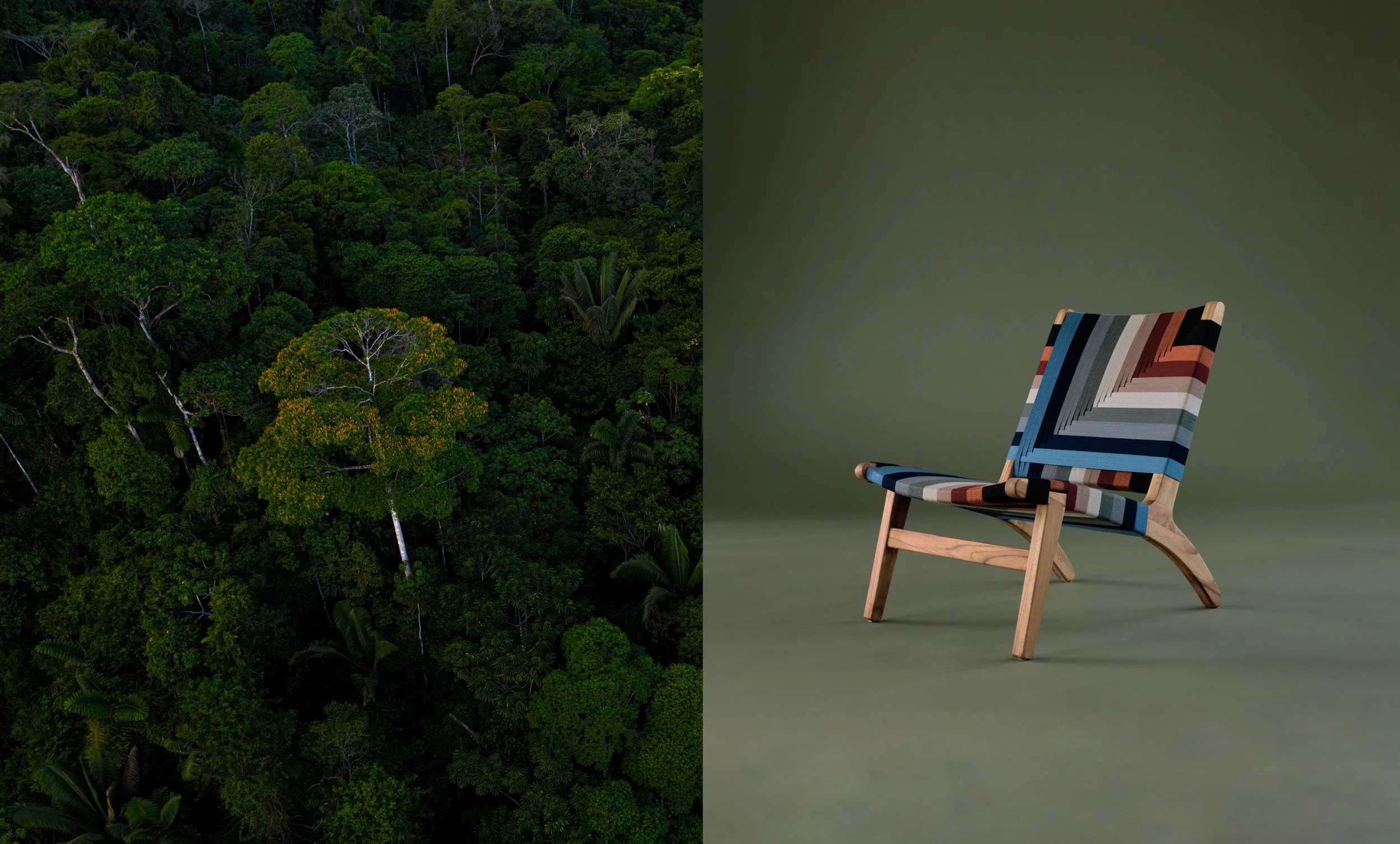
“Tourism in La Macarena operates unlike anywhere else. Instead of large companies controlling all aspects of travel, services are organized through local associations. What makes this model powerful is the sense of ownership it creates. Locals don’t just work in tourism; they care for the land as if it were their own, because it is.”
“We are living at a time where landscapes carry tremendous importance. We are starting to appreciate and rediscover our natural settings and their unique characteristics. Accommodations that understand this concept is what Room + Wild is all about. Becoming one with the elements in a space that truly allows it.”
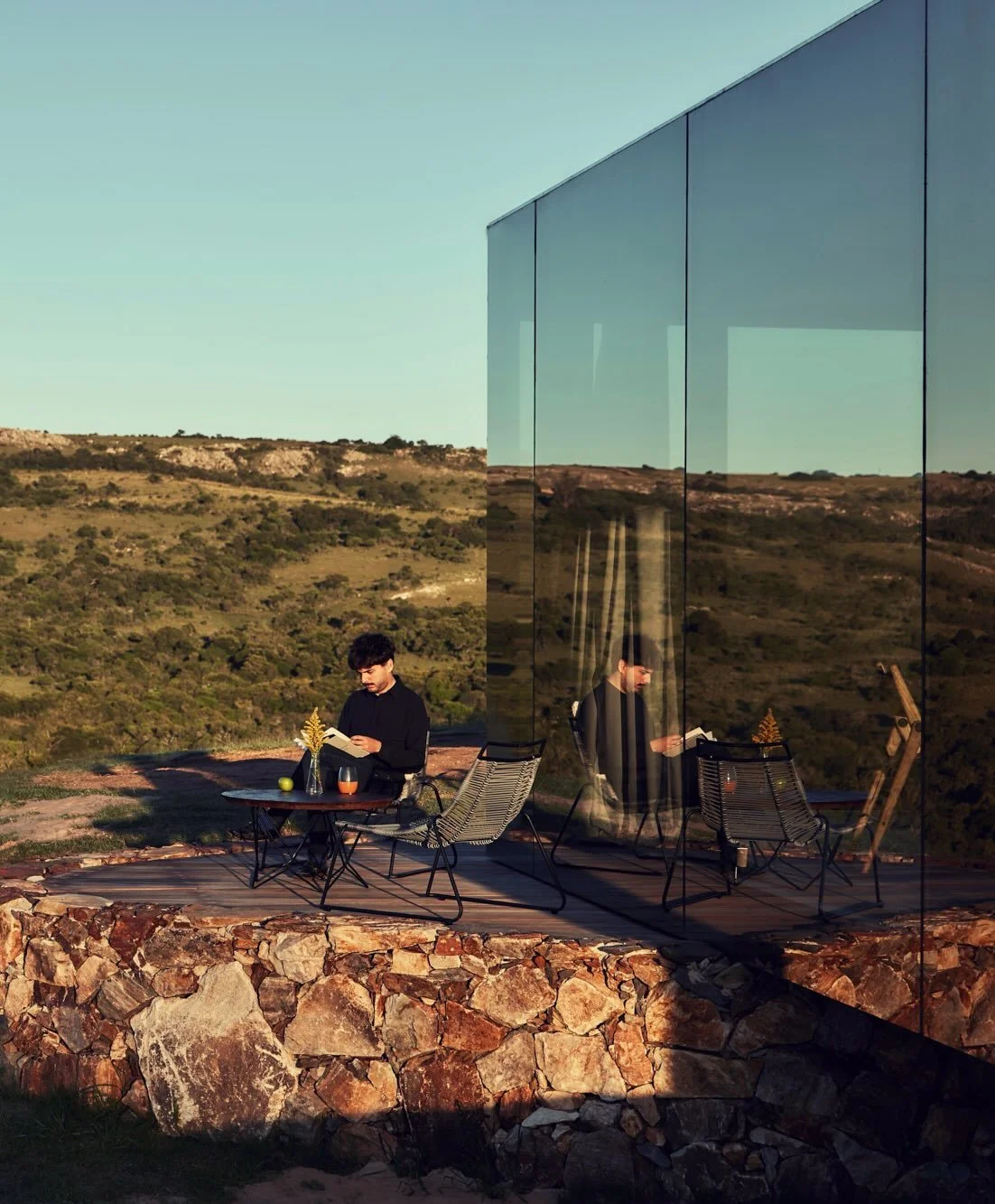
Coined by marine biologist Dr. Wallace J. Nichols, the "Blue Mind" hypothesis explains why being near, in, or on water triggers a deeply meditative state that reduces stress and anxiety. By activating the parasympathetic nervous system, the gentle movement and sound of oceans, lakes, and rivers naturally lower heart rate, reduce cortisol, and restore cognitive energy through "soft fascination." More than just scenic beauty, water serves as a biological cue for deep relaxation—making waterfront retreats and nature-immersed hotels the ultimate sanctuaries for wellness, clarity, and mental restoration.